
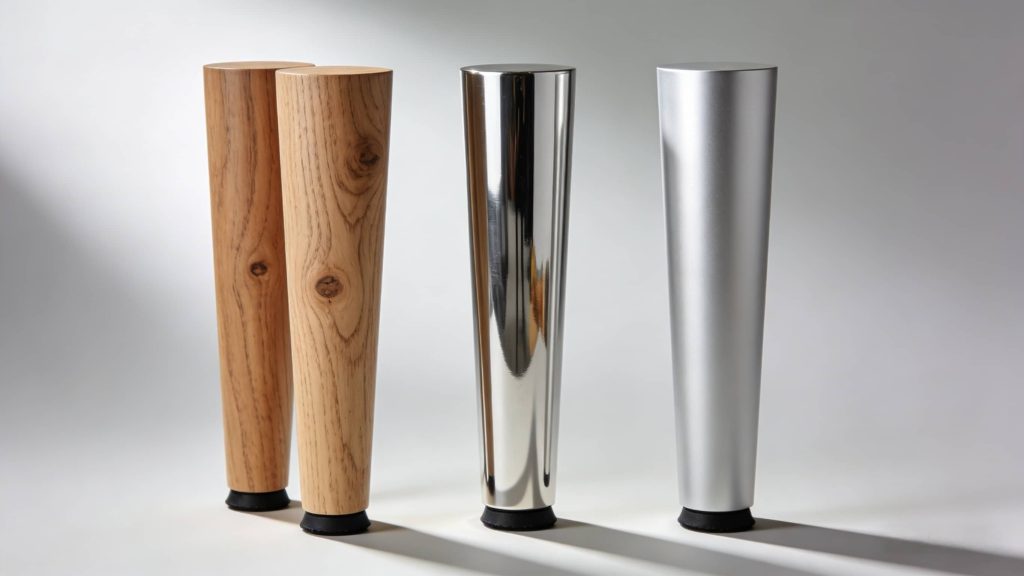
Fundamental Differences in Coating Mechanisms
When it comes to protecting metal surfaces, the choice between powder coating and electroplating can feel like picking your favorite child—each has its own strengths, but one might just steal the show. Did you know that electroplating can offer corrosion resistance that lasts several years, depending on the thickness and type of metal used? That’s a pretty impressive feat for any protective coating!
The Magic of Powder Coating
Powder coating benefits extend beyond just aesthetic appeal. This process involves applying a dry powder to a metal surface and then curing it under heat to form a tough, protective layer. Think of it as wrapping your metal in a cozy blanket that not only keeps it warm but also shields it from the harsh elements. The result? A durable finish that’s resistant to chipping, scratching, and fading—perfect for furniture manufacturers looking for longevity.
Powder coating can provide superior adhesion properties compared to electroplating.
Electroplating Advantages
On the flip side, electroplating is like giving your metal a shiny new suit—it’s all about that initial wow factor. This method involves applying a thin layer of metal onto a substrate through an electrolytic process. While this can enhance appearance and provide corrosion resistance, it’s generally thinner than powder coatings, which means it’s more susceptible to wear over time. If you’re after rust prevention in environments where aesthetics are paramount (think automotive parts), electroplating might just be your go-to.
- Electroplated surfaces are often smoother and shinier than powder-coated ones.
- Electroplating allows for more precise control over thickness, which can be crucial for certain applications.
Best metal finishing for corrosion resistance often depends on specific application needs—don’t overlook the environmental impact either!
(Un)Common Misconceptions
Powder coating is always better than electroplating is a common myth that needs busting. Each technique has its own niche where it excels. For instance, while powder coating provides excellent durability and is eco-friendly due to reduced volatile organic compounds (VOCs), electroplating shines in applications requiring high conductivity or specific aesthetic finishes.
| Feature | Powder Coating | Electroplating |
|---|---|---|
| Durability | High; resistant to chipping and fading | Moderate; thinner layers may wear faster |
| Aesthetic Options | Wide range of colors and textures | Shiny finishes with limited color options |
| Environmental Impact | Lower VOCs; eco-friendly options available | Higher VOCs; less environmentally friendly |
| Cost Efficiency | Generally more cost-effective for large areas | Can be more expensive due to labor-intensive processes |
Corrosion Resistance: A Comparative Analysis
When it comes to corrosion resistance, the stakes are high—especially in industries where metal components face the wrath of the elements. A staggering 30% of all metal failures are attributed to corrosion, costing industries billions annually. So, let’s break down how powder coating and electroplating stack up in this critical arena.
Powder Coating: The Tough Shield
Imagine your metal surfaces wrapped in a fortress of protection—that’s powder coating for you. This process not only creates a visually appealing finish but also forms a thick barrier that repels moisture and chemicals. In environments like coastal areas where saltwater is a constant threat, powder-coated surfaces can last significantly longer without succumbing to rust.
One of the standout features of powder coating is its ability to withstand impact and abrasion. For instance, if you’re a furniture manufacturer using steel legs for your chairs, opting for powder coating means you’re investing in longevity. The durability can extend the life of your products by years, reducing replacement costs and enhancing customer satisfaction.
Electroplating: The Shiny Armor
On the flip side, electroplating offers its own unique advantages. By applying a thin layer of metal over another substrate, it provides an immediate aesthetic boost while also enhancing corrosion resistance. However, this layer is typically thinner than that of powder coatings, making it more vulnerable to wear and tear over time.
Take automotive parts for example—electroplated finishes can give them that shiny showroom look while providing decent rust prevention. But if those parts are exposed to harsh road conditions or salty air, they won’t hold up as well as their powder-coated counterparts.
- Corrosion Resistance: Powder coating generally outlasts electroplating in severe environments.
- Aesthetic Appeal: Electroplating shines with its smooth finish but may lack color variety compared to powder coatings.
- Durability: Powder coatings resist chipping and scratching better than electroplated layers.
Key Takeaway: For long-lasting corrosion protection in challenging environments, powder coating is often the superior choice.
(Un)Common Misconceptions About Corrosion Resistance
All coatings are created equal—a myth that needs busting! While both methods have their merits, understanding their limitations is crucial for making informed decisions. For instance, electroplating may be suitable for applications requiring conductivity but falls short when it comes to heavy-duty corrosion resistance.
| Aspect | Powder Coating | Electroplating |
|---|---|---|
| Corrosion Resistance | Excellent; ideal for harsh environments | Moderate; better suited for controlled conditions |
| Durability | High resistance to wear and damage | Lower durability; susceptible to scratches |
| Longevity | Long-lasting protective layer | Shorter lifespan; requires more maintenance |
| Application Cost | Cost-effective for large projects | Higher initial cost due to labor intensity |
Ultimately, choosing between powder coating vs electroplating: corrosion resistance compared boils down to your specific needs and environment. If you prioritize durability and long-term performance against rust and wear, powder coating should be your go-to option. Meanwhile, if aesthetics take precedence in less demanding settings, electroplating might just fit the bill.
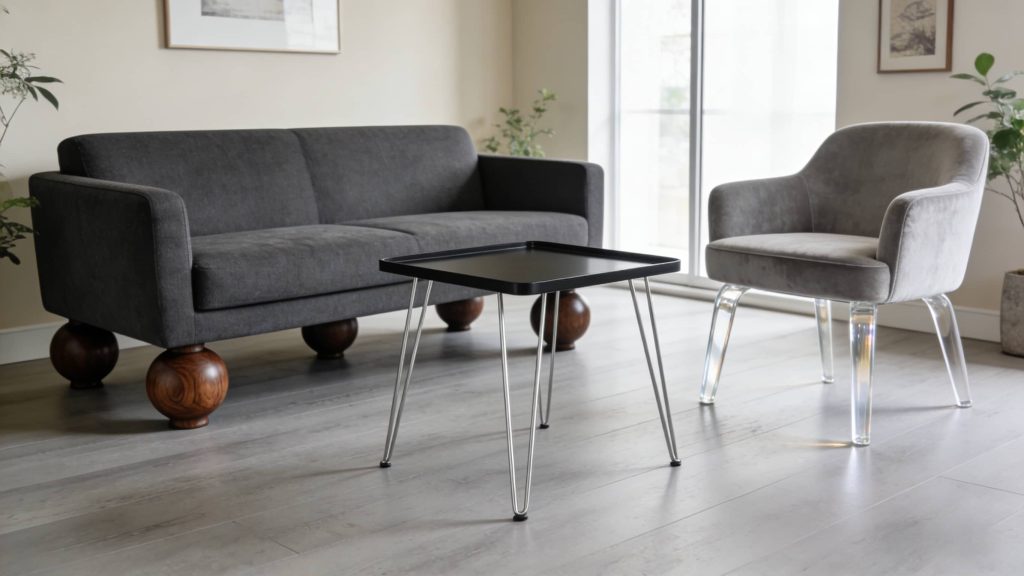
Material Compatibility and Performance Outcomes
Not all metals are created equal, and neither are the coatings that protect them. When it comes to powder coating vs electroplating: corrosion resistance compared, the compatibility of materials plays a critical role in determining performance outcomes. Take aluminum for example—it’s a lightweight champion in the furniture world, but its interaction with various coatings can be a bit tricky.
Understanding Material Compatibility
Powder coatings are generally more forgiving when it comes to material compatibility. They can adhere well to a variety of substrates, including steel, aluminum, and even some plastics. This versatility makes powder coating an attractive option for furniture manufacturers looking to simplify their processes. On the flip side, electroplating requires precise control over the substrate material; otherwise, you might end up with adhesion issues that could lead to premature failure.
Choosing the right coating involves understanding both your substrate and your environmental conditions.
Performance Outcomes: Real-World Scenarios
Let’s put theory into practice. Imagine a furniture manufacturer producing outdoor metal tables intended for coastal areas. Here’s where performance outcomes diverge sharply between our two contenders. A powder-coated table would likely withstand salty air and moisture far better than an electroplated one due to its thicker protective layer. In contrast, if you’re working on decorative hardware that requires intricate detailing and high shine, electroplating might be your best bet—just keep in mind that its corrosion resistance may falter in harsh environments.
- Powder coating is ideal for diverse substrates and offers robust durability.
- Electroplating excels in aesthetic finishes but may struggle with long-term corrosion protection.
- Environmental factors like humidity and salinity can significantly impact performance outcomes.
Material choice combined with the right finishing technique can enhance product longevity and reduce maintenance costs.
(Un)Common Misconceptions About Coatings
All coatings work equally well on all materials is a misconception that can lead manufacturers astray. For instance, while powder coating provides excellent adhesion on aluminum, it may not perform as well on certain alloys without proper surface preparation. Electroplating might seem like an easy fix for rust prevention on any metal surface, but if the base material isn’t compatible or properly prepped, you’re asking for trouble down the line.
| Material | (1) Powder Coating Performance | (2) Electroplating Performance |
|---|---|---|
| Aluminum | [Excellent adhesion; good durability against elements] | [Requires careful prep; risk of poor adhesion] |
| Steel | [Great corrosion resistance; ideal for outdoor use] | [Good aesthetic finish; less durable in harsh conditions] |
| Plastic | [Can be coated effectively; versatile options] | [Limited effectiveness; usually not recommended] |
In conclusion, navigating through material compatibility is essential when choosing between powder coating and electroplating for your projects. Understanding how each method interacts with various substrates will empower you to make informed decisions that enhance product quality while minimizing risks.
Cost Implications and Economic Considerations
When it comes to the economics of metal finishing, the choice between powder coating and electroplating isn’t just about aesthetics or performance—it’s a matter of dollars and cents. Did you know that improper coating choices can lead to up to a 25% increase in overall project costs? That’s a hefty chunk of change!
Initial Investment vs. Long-Term Savings
Let’s break it down. Powder coating typically requires a higher initial investment due to its equipment and setup costs. However, this upfront expense can pay off handsomely in the long run. Imagine a furniture manufacturer investing in powder coating for their outdoor metal furniture. While the initial setup might sting, the durability means fewer replacements and repairs—saving money over time.
On the flip side, electroplating often appears cheaper at first glance. The labor-intensive process can lead to lower initial costs but may result in higher maintenance expenses down the line. If you’re producing components that face harsh environments, those shiny electroplated finishes might start to tarnish faster than you’d like, leading to costly replacements sooner than anticipated.
- Powder coating generally has higher upfront costs due to specialized equipment.
- Electroplating is often cheaper initially but may incur higher maintenance costs over time.
- Durability of powder coatings can lead to significant savings through reduced replacement rates.
(Un)Common Misconceptions About Cost
Powder coating is always more expensive—this is a myth that needs busting! While it’s true that the initial outlay for powder coating can be higher, when you factor in longevity and reduced maintenance for your products, you might find that it actually offers better value for your money.
Investing in quality finishes like powder coating can yield long-term economic benefits.
…And Then There’s Environmental Impact
Eco-friendly is not just a buzzword; it’s becoming an economic necessity. Powder coating processes produce fewer volatile organic compounds (VOCs) compared to electroplating, which means they’re not only better for the environment but also less likely to incur regulatory fines or penalties down the line. This could translate into savings that go beyond just your immediate budget.
‘Choosing environmentally friendly options like powder coating can also enhance your brand’s reputation and marketability.’
| Cost Factor | $ Powder Coating | $ Electroplating |
|---|---|---|
| Initial Setup Costs | $$$$ | $$ |
| Maintenance Costs (over time) | $$ | $$$$ |
| Longevity Benefits | $$$$ | $$ |
| Environmental Compliance Costs | $$ | $$$ |
In conclusion, weighing cost implications in powder coating vs electroplating: corrosion resistance compared is essential for manufacturers aiming for both quality and profitability. Consider not just what you’ll spend today, but what you’ll save tomorrow—and remember: sometimes investing more upfront leads to greater returns down the line.
Sustainability and Environmental Impact
It’s a bold claim, but the truth is: choosing the right coating method can significantly reduce your environmental footprint. In fact, switching to powder coating can cut VOC emissions by up to 90% compared to traditional solvent-based coatings. That’s not just a drop in the bucket; it’s a tidal wave of positive change!
When you’re in the business of manufacturing furniture, every decision counts—especially those that affect sustainability. Picture this: a furniture manufacturer committed to eco-friendly practices decides to transition from electroplating to powder coating. Not only does this choice enhance their product durability, but it also aligns with their corporate responsibility goals.
The Environmental Edge of Powder Coating
Powder coating benefits extend beyond aesthetics and durability; they encompass significant environmental advantages as well. The process involves applying dry powder that is cured under heat, which means no solvents are required. This results in minimal waste and fewer harmful emissions compared to electroplating, which often relies on chemical baths that can pollute water sources.
- Lower VOC emissions make for a cleaner production environment.
- Reduced waste due to overspray being recyclable.
- Less energy consumption during application and curing.
Eco-friendly metal coatings like powder coating not only protect your products but also our planet.
Electroplating: The Hidden Costs
Electroplating for rust prevention might seem like an attractive option at first glance, especially when considering its shiny finish. However, this method has its environmental drawbacks. The chemicals used in electroplating processes can be hazardous and require careful handling and disposal. Plus, the wastewater generated often needs extensive treatment before it can be released back into the environment.
- Higher VOCs associated with solvent use in electroplating.
- Potential for water pollution if waste is not managed properly.
- Increased regulatory compliance costs due to hazardous materials management.
Choosing powder coating over electroplating not only enhances product longevity but also contributes positively to sustainability efforts.
In conclusion, manufacturers have an opportunity—not just a responsibility—to make choices that benefit both their bottom line and the environment. As we weigh the differences between powder coating vs electroplating: corrosion resistance compared, remember that sustainability isn’t just a trend; it’s becoming an essential part of doing business effectively in today’s market.
Customization Capabilities and Aesthetic Considerations
When it comes to customization, the battle between powder coating and electroplating is like choosing between a tailor-made suit and off-the-rack attire. Both can look sharp, but one offers a level of personalization that truly stands out. Did you know that powder coating can be formulated in virtually any color, texture, or finish? This flexibility makes it a favorite among furniture manufacturers looking to create unique pieces that resonate with their brand identity.
Aesthetic Versatility: Powder Coating
Imagine designing a line of modern furniture where every piece reflects your brand’s vibrant personality. With powder coating, this dream becomes reality. The process allows for an extensive palette of colors and finishes—from matte to glossy, textured to smooth—giving you the creative freedom to match any design vision. Plus, the durability of powder coatings means these eye-catching finishes can withstand the rigors of everyday use without fading or chipping.
Powder coating offers unmatched aesthetic versatility, making it ideal for custom furniture designs.
The Shiny Allure of Electroplating
On the other hand, electroplating provides that sleek, polished look that can make metal components dazzle like diamonds under spotlight. It’s perfect for applications where aesthetics are paramount—think automotive parts or decorative hardware. However, while electroplating excels in achieving high-shine finishes with smooth surfaces, its color options are typically limited compared to powder coating. This means if you’re after a specific hue or texture beyond metallic shades, you might find yourself at a loss.
- Electroplated surfaces are often more reflective and visually striking.
- Limited color options may restrict design creativity.
- Ideal for applications where immediate aesthetics take precedence.
‘Choosing the right finish isn’t just about looks; it’s about creating a brand identity that resonates with your audience.’
(Un)Common Misconceptions About Customization
Customization is only about colors—this myth needs busting! While color plays a critical role in aesthetics, factors like texture and finish type also significantly impact perception and usability. For example, a textured powder-coated finish not only looks great but also enhances grip on furniture legs—perfect for keeping those chairs steady during family gatherings!
| Feature | Powder Coating | Electroplating |
|---|---|---|
| Color Options | Extensive range available | Limited to metallic shades |
| Texture Variety | Smooth to textured finishes | Typically smooth surfaces |
| Durability of Aesthetics | Highly durable against wear | More susceptible to scratches |
Ultimately, when considering customization capabilities and aesthetic considerations in powder coating vs electroplating: corrosion resistance compared, think beyond just appearance. Each method has distinct strengths that can enhance your product’s appeal while meeting functional requirements.
Industry Standards and Quality Assurance Protocols
Navigating the world of metal finishing can feel like trying to assemble IKEA furniture without instructions—confusing and potentially costly if you get it wrong. In fact, a staggering 70% of quality issues in metal coatings stem from inadequate adherence to industry standards. That’s a lot of wasted time and money!
Understanding Industry Standards
When it comes to powder coating vs electroplating: corrosion resistance compared, adhering to industry standards is non-negotiable. These standards ensure that coatings meet specific performance criteria, including durability, adhesion, and corrosion resistance. Organizations like ASTM International and ISO (International Organization for Standardization) set the benchmarks that manufacturers should follow to guarantee quality.
For instance, ASTM B117 outlines the salt spray (fog) testing method that’s crucial for assessing how well coatings resist corrosion in harsh environments. If you’re a furniture manufacturer aiming for longevity in coastal areas, understanding these standards can help you specify the right coating for your products.
Quality Assurance Protocols
Quality assurance protocols are the safety nets that catch potential failures before they hit the market. From pre-treatment processes to final inspections, these protocols help ensure that your powder-coated or electroplated surfaces maintain their integrity over time. For example, rigorous testing methods—like adhesion tests or impact resistance evaluations—can reveal weaknesses that might otherwise go unnoticed until it’s too late.
- Adhesion Testing: Ensures coatings bond effectively with substrates.
- Impact Resistance Testing: Evaluates how well finishes withstand physical stress.
- Corrosion Resistance Testing: Assesses performance under simulated environmental conditions.
Key Takeaway: Adhering to industry standards and implementing robust quality assurance protocols is essential for ensuring long-lasting performance in both powder coating and electroplating.
(Un)Common Misconceptions About Quality
Quality is often misunderstood. One common misconception is that higher price equals higher quality. While premium pricing can reflect superior materials and craftsmanship, it can also be influenced by brand marketing and positioning. For example, a luxury smartphone might cost more due to its brand image rather than significantly better components.
Another misconception is that quality is solely about durability. Quality encompasses multiple factors, including functionality, reliability, and performance. A durable product that performs poorly or has outdated features is not truly high quality. For instance, a robustly built smartphone with poor battery life and slow performance doesn’t meet the mark. Quality should be viewed comprehensively, considering all aspects that affect user experience.
Conclusion
Understanding these misconceptions is crucial for both manufacturers and consumers. Manufacturers should focus on delivering high-quality products across all price points, not just their high-end lines. Consumers, on the other hand, should look beyond price tags and consider the overall performance and reliability of products. By debunking these misconceptions, we can foster a market where quality is truly valued and upheld.