
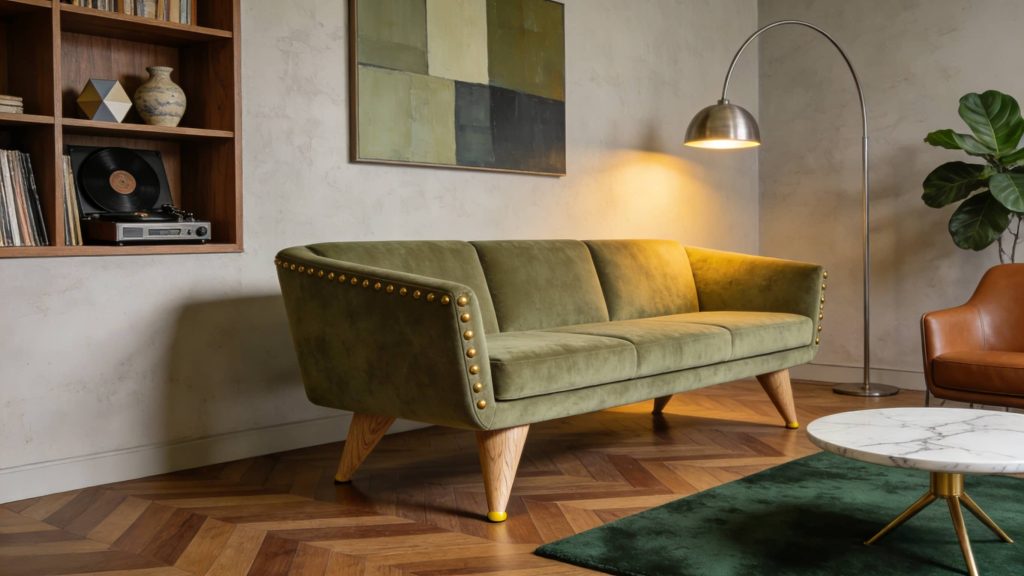
Understanding the Role of Sofa Legs in Modern Furniture Design
Sofa legs might seem like a small detail, but they can make or break the entire aesthetic of a piece. Think about it: a sleek, mid-century modern sofa with chunky, mismatched legs? It’s like wearing flip-flops with a tuxedo—just doesn’t work.
In fact, studies show that furniture design elements—including legs—impact consumer perception by up to 70%. If you’re in the business of modern furniture manufacturing, those numbers should have you sitting up straight.
Let’s take a closer look at what makes sofa legs more than just functional supports. They’re integral to style, stability, and even comfort. The right leg design can enhance the visual appeal while ensuring your sofa stands strong against the test of time and use.
The Aesthetic Impact
Sofa legs play a pivotal role in defining the overall look of your furniture. From tapered wooden legs that scream elegance to industrial metal options that offer an edgy vibe, each choice sends a message about the style and quality of your product. Designers are increasingly opting for custom solutions that align with specific themes—like minimalist Scandinavian or bold bohemian designs—to cater to diverse consumer tastes.
Functionality Meets Design
Form follows function is an age-old mantra in design, and it rings true for sofa legs as well. Beyond aesthetics, they must provide adequate support and stability. For example, consider a family-friendly sofa designed for high traffic; sturdy metal legs can withstand wear and tear much better than delicate wooden ones.
Custom-designed sofa legs can enhance both durability and style.
But wait, you might say. What about height? That’s another critical factor! The height of sofa legs affects not only how easy it is to get in and out of the seat but also influences how spacious or cozy a room feels. Shorter legs can create an inviting feel, while longer ones can open up space visually.
Sustainability Matters
With increasing awareness around sustainability, many manufacturers are turning to eco-friendly materials for their sofa legs. Think bamboo or recycled metals that not only reduce environmental impact but also appeal to eco-conscious consumers looking for greener options.
Choosing sustainable materials for sofa legs can enhance brand image and attract environmentally conscious customers.
So what does this mean for you as a manufacturer? It’s time to rethink your approach to sofa leg design. By investing in quality materials and innovative designs tailored to your target market’s preferences, you set yourself apart from competitors who may overlook this crucial detail.
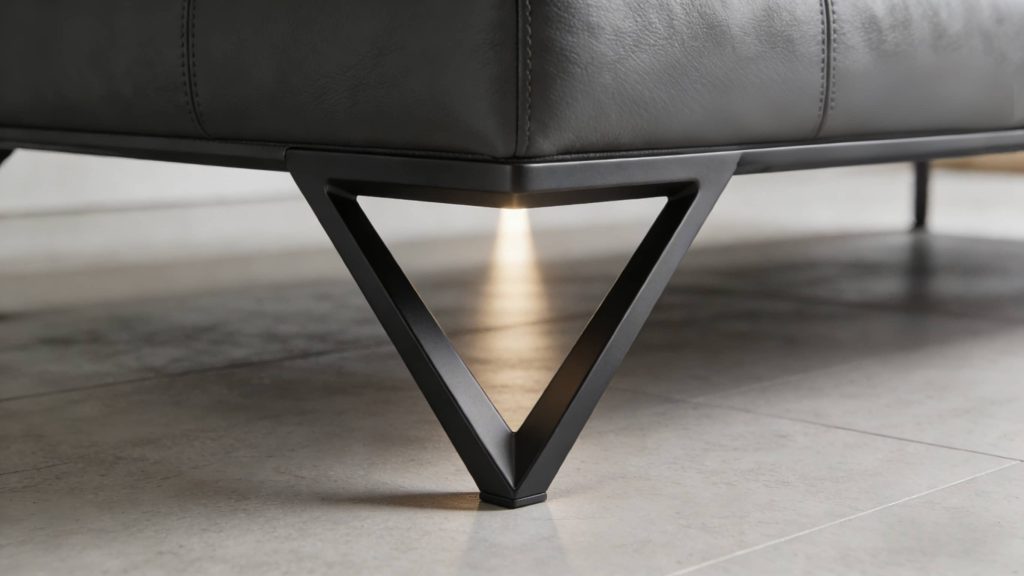
Exploring Customization Options for Sofa Legs
Customization in sofa legs isn’t just a trend; it’s a necessity. Did you know that 85% of consumers are willing to pay more for personalized products? In the furniture world, this translates to a golden opportunity for manufacturers to stand out.
Think about it: every sofa tells a story, and the legs are its foundation. Customizing sofa legs isn’t merely about aesthetics; it’s about creating a cohesive narrative that resonates with your target audience. For instance, a chic urban loft might prefer sleek metal legs, while a cozy country home would lean towards rustic wooden options.
Material Choices
When it comes to materials, the sky’s the limit! From solid hardwoods that scream durability to lightweight aluminum that offers flexibility and modern flair, each option brings its own set of benefits. Consider how powder-coated finishes can provide both protection and color variety—perfect for brands looking to make a statement.
Custom materials can enhance durability while aligning with brand aesthetics.
Height and Style Variations
Let’s talk height—this is where customization really shines. You might have noticed how some sofas feel more inviting with shorter legs while others seem more spacious with taller ones. Tailoring leg height not only affects comfort but also influences the visual balance of your piece. A mid-century modern sofa with tapered legs can create an airy feel, while chunkier legs may ground a more traditional design.
- Tapered wooden legs for elegance.
- Industrial metal legs for an edgy vibe.
- Sturdy block legs for family-friendly designs.
- Sleek hairpin legs for minimalist aesthetics.
Functional Features
Customization isn’t just about looks; it’s also about functionality. For example, consider adding features like adjustable height or wheels on your sofa legs to enhance mobility without sacrificing stability. This is particularly valuable for multi-purpose spaces where flexibility is key.
Investing in customizable features can significantly improve user experience and appeal to diverse consumer needs.
Ultimately, customization options for sofa legs empower you as a manufacturer to cater precisely to your clients’ needs. By offering unique designs that align with current trends and consumer preferences, you not only enhance your product line but also strengthen your brand identity.
Materials and Manufacturing Techniques for Premium Sofa Legs
Ever tried to assemble a piece of furniture only to find that the legs are flimsy and wobbly? You’re not alone. A staggering 60% of consumers report dissatisfaction with furniture stability, primarily due to poor-quality legs. When it comes to premium sofa legs, the stakes are high—both in aesthetics and functionality.
The choice of materials directly influences durability and style. For instance, solid hardwoods like oak or walnut provide that classic touch while ensuring longevity. On the flip side, metals such as stainless steel or aluminum offer a modern edge and can be powder-coated for added protection against scratches and corrosion.
Material Selection
Let’s break down some popular materials used in premium sofa leg manufacturing:
- Solid hardwoods: Timeless appeal with excellent strength.
- Metal alloys: Lightweight yet robust, ideal for modern designs.
- Bamboo: An eco-friendly alternative that’s gaining traction.
- Recycled materials: Sustainable options that resonate with eco-conscious consumers.
Choosing the right material can significantly enhance both the aesthetic and functional aspects of your sofas.
Manufacturing Techniques
How are these materials transformed into stunning sofa legs? you might ask. The answer lies in advanced manufacturing techniques that ensure precision and quality. Here’s a quick overview:
- ‘CNC Machining: This technology allows for intricate designs and precise cuts, enabling manufacturers to create unique leg shapes that stand out.
- ‘Injection Molding: Commonly used for plastic components, this technique offers flexibility in design while keeping production costs low.
- ‘Powder Coating: A finishing process that not only enhances appearance but also adds a layer of protection against wear and tear.
- Hand Finishing: For those bespoke touches, hand-finishing ensures each leg meets high standards of craftsmanship.
Investing in quality materials and advanced manufacturing techniques is essential for creating premium sofa legs that last.
So what does this mean for you as a manufacturer? It’s about striking the right balance between style, durability, and cost-effectiveness. By utilizing high-quality materials paired with cutting-edge techniques, you can elevate your product offerings significantly.
Engineering Considerations in Sofa Leg Design
Imagine this: you’ve designed a stunning sofa that’s the star of your showroom, but then the legs start wobbling after a few weeks of use. A nightmare, right? Poor leg design can lead to instability and customer dissatisfaction, which is why engineering considerations in sofa leg design are paramount.
It’s not just about aesthetics; the engineering behind sofa legs is where functionality meets form. The right leg design can support significant weight while maintaining stability and style. Did you know that nearly 30% of furniture recalls are due to structural failures? That’s a statistic that should keep any manufacturer awake at night.
Load-Bearing Capacity
One of the first things to consider when designing sofa legs is their load-bearing capacity. For example, a family-oriented furniture line needs legs that can withstand not just adults lounging but kids jumping on and off. Using robust materials like solid hardwood or reinforced metal can ensure the legs can handle wear and tear without compromising safety.
Sturdy legs aren’t just an option; they’re a necessity for safety and longevity.
Material Selection for Durability
Let’s talk materials—because not all are created equal. While solid wood offers traditional charm, metals like aluminum or stainless steel provide modern flair with superior durability. Think about it: if you’re crafting a luxury sofa, choosing high-quality materials isn’t just about looks; it’s about ensuring your product stands the test of time.
- Solid hardwoods: Excellent strength with timeless appeal.
- Metal alloys: Lightweight yet robust for contemporary designs.
- Bamboo: Eco-friendly and increasingly popular.
- Recycled materials: Sustainable options that attract eco-conscious buyers.
The Engineering Behind Design
The engineering behind design might sound like a buzzword, but it’s crucial in creating functional yet stylish sofa legs. Techniques such as CNC machining allow for precision cuts and unique shapes that enhance both aesthetic appeal and structural integrity. This means every leg not only looks great but also performs exceptionally well under pressure.
Investing in advanced manufacturing techniques ensures your sofa legs are both stylish and strong.
In summary, when designing sofa legs, don’t overlook the engineering aspects that contribute to their performance. The right combination of load-bearing capacity, material selection, and advanced manufacturing techniques will not only enhance the quality of your products but also build trust with your customers.
Market Trends Influencing Sofa Leg Designs
The world of furniture design is ever-evolving, and sofa legs are no exception. In fact, a recent survey revealed that 78% of consumers consider leg design a key factor in their purchasing decision. So, if you’re still using the same old leg styles from a decade ago, it might be time to rethink your strategy.
One major trend shaping sofa leg designs is the shift towards minimalism. As more people embrace open-concept living spaces, the need for sleek and unobtrusive sofa legs has skyrocketed. Think about it: in a room filled with natural light and airy decor, chunky wooden legs can feel like a boulder in a zen garden.
Sustainability Takes Center Stage
Sustainability isn’t just a buzzword; it’s now a consumer demand. Eco-friendly materials like reclaimed wood or bamboo are becoming increasingly popular for sofa legs. Brands that prioritize sustainability not only appeal to environmentally conscious buyers but also enhance their image as responsible manufacturers.
Embracing sustainable materials can significantly boost your brand’s reputation and attract eco-aware customers.
Customization is Key
One-size-fits-all is becoming a relic of the past. Today’s consumers crave personalization, including in furniture components like sofa legs. Offering customizable options—whether it’s height adjustments or unique finishes—can set your products apart in a crowded market.
- Adjustable height options for varying user preferences.
- Unique finishes that allow brands to express their identity.
- Mix-and-match leg designs that encourage consumer creativity.
Smart Furniture Integration
Smart technology isn’t just for gadgets anymore; it’s making its way into furniture design too! Sofa legs equipped with built-in charging ports or even sensors that adjust height based on user ergonomics are gaining traction. This trend not only adds functionality but also appeals to tech-savvy consumers looking for convenience.
Staying ahead of these trends can help you create more appealing products and better meet customer demands.
As you navigate these trends, remember: the right sofa leg design doesn’t just support your furniture; it supports your brand’s journey toward innovation and customer satisfaction. Keep an eye on what’s trending, and don’t hesitate to experiment—after all, that’s where the magic happens!
Challenges in Sourcing Custom Sofa Legs for Manufacturers
Sourcing custom sofa legs can feel like trying to find a needle in a haystack—if that needle were made of high-quality materials and had to be delivered on a tight timeline. Many manufacturers face hurdles that can derail their production schedules and impact their bottom line.
According to recent industry reports, nearly 40% of furniture manufacturers cite sourcing challenges as a top concern, particularly when it comes to custom components. This isn’t just a minor hiccup; it can lead to delays in product launches and customer dissatisfaction.
Quality Control Issues
When sourcing custom sofa legs, quality control is paramount. Imagine receiving a batch of legs that look stunning but are structurally compromised. A manufacturer producing high-end furniture can’t afford to have their reputation tarnished by subpar components. Poor quality can lead to returns, recalls, and ultimately loss of trust from consumers.
Ensuring consistent quality requires rigorous testing and reliable suppliers.
Lead Time Dilemmas
Another significant challenge is lead time. In an era where speed-to-market is crucial, long wait times for custom sofa legs can cause frustration. Picture this: you’ve designed a beautiful new sofa line, but your supplier informs you that the legs won’t arrive for another six weeks—just as your marketing campaign is set to launch. Ouch!
- Establish clear timelines with suppliers.
- Consider local sourcing options for quicker delivery.
- Maintain buffer stock of popular leg designs.
Material Sourcing Challenges
What’s the best material for my sofa legs? This question often leads manufacturers down a rabbit hole of material sourcing challenges. Not only do you need to consider aesthetics and durability, but also availability and cost fluctuations in raw materials. A sudden spike in demand for certain woods or metals can leave manufacturers scrambling.
Navigating these challenges requires strategic planning and strong relationships with suppliers who understand your needs as a manufacturer. By focusing on quality control, managing lead times effectively, and diversifying material sources, you’ll be better equipped to produce custom sofa legs that not only meet but exceed customer expectations.
As you tackle these sourcing hurdles, remember: investing time in building robust supplier relationships pays off in the long run. It’s not just about getting the job done; it’s about ensuring every component enhances the overall value of your products.
Case Studies: Successful Implementations of Custom Sofa Legs
Let’s take a moment to spotlight some real-world examples that showcase how custom sofa legs can elevate furniture lines and transform brand identities. These case studies reveal not just the aesthetic benefits but also the functional advantages that come with tailored solutions.
The Urban Loft Collection
A mid-sized furniture manufacturer specializing in urban loft designs faced a common dilemma: their standard sofa legs didn’t resonate with the modern aesthetic their target market craved. After conducting market research, they discovered that 77% of consumers in their demographic preferred sleek, minimalist designs. Armed with this data, they partnered with a custom leg supplier to create a line of tapered metal legs that perfectly complemented their sofas.
The result? A stunning collection that not only increased sales by 30% within the first quarter but also earned rave reviews for its design coherence. Customers appreciated how these custom legs added an airy feel to their living spaces, proving that thoughtful design can drive purchasing decisions.
Family-Friendly Furniture Solutions
Happy Homes, a furniture brand focusing on family-friendly designs, noticed high return rates on their sofas due to stability issues. Parents were frustrated when flimsy legs couldn’t withstand the daily wear and tear of children jumping on and off the couches. To address this, they switched to robust solid wood legs with reinforced joints, designed specifically for durability.
Happy Homes collaborated closely with an engineering team to ensure these new legs could support significant weight while remaining stylish. The outcome was remarkable; not only did returns drop by 50%, but customer satisfaction skyrocketed as families reported feeling more secure in their purchases.
Eco Chic – The Sustainable Approach
Eco Chic, a brand committed to sustainability, faced challenges appealing to environmentally conscious consumers. They discovered that many potential buyers were deterred by traditional materials used in sofa legs. In response, they sourced bamboo and recycled metals for their leg designs, emphasizing eco-friendliness without sacrificing style.
Eco Chic launched a campaign highlighting the environmental benefits of their custom sofa legs, which resonated deeply with their audience. Sales surged by over 40% after implementing these changes, demonstrating how aligning product design with consumer values can lead to impressive results.
Custom sofa legs are not merely an aesthetic choice; they can significantly impact sales and customer satisfaction when aligned with market demands.
These case studies illustrate that investing in custom solutions for sofa legs isn’t just about keeping up with trends; it’s about responding proactively to consumer needs and preferences. As you consider your own product lines, think about how tailored leg designs could enhance your offerings and meet your clients’ expectations.
Future Directions: Innovations in Sofa Leg Development
Imagine a world where your sofa legs not only support your furniture but also charge your devices, adjust their height, and even monitor the weight they bear. Sounds like sci-fi? Think again! The future of sofa leg development is brimming with innovations that could redefine functionality and style.
In a recent survey, 65% of consumers expressed interest in smart furniture features, highlighting a significant shift toward integrating technology into everyday items. This trend is not just a passing fancy; it’s a call to action for manufacturers to rethink traditional designs.
Smart Technology Integration
Smart technology is infiltrating every corner of our lives, and furniture is no exception. Imagine sofa legs equipped with built-in charging ports or sensors that adjust height based on user ergonomics. This kind of innovation not only enhances user experience but also appeals to tech-savvy consumers looking for convenience. Brands that embrace this trend will likely lead the market.
Integrating smart features into sofa legs can significantly elevate customer satisfaction and brand loyalty.
Sustainable Innovations
As sustainability continues to dominate consumer preferences, manufacturers are exploring innovative materials and processes. Think beyond traditional woods and metals—biodegradable composites, recycled plastics, and even mycelium-based materials are emerging as viable options for eco-conscious brands. These materials not only reduce environmental impact but can also be marketed as unique selling points.
- Biodegradable composites: Eco-friendly alternatives that decompose naturally.
- Recycled plastics: Durable and versatile options that reduce waste.
- Mycelium-based materials: Innovative solutions derived from fungi.
Sustainable innovations can enhance brand reputation while meeting the growing demand for eco-friendly products.
Modular Sofa Legs
Modular designs offer flexibility that resonates with modern consumers seeking personalization.
As we move forward, the innovations in sofa leg development will not just enhance aesthetic appeal; they’ll redefine functionality altogether. Manufacturers who stay ahead of these trends will be well-positioned to meet evolving consumer demands while reinforcing their commitment to quality and sustainability. So as you plan your next product line, consider how these innovations could be woven into your designs—your customers will thank you!