
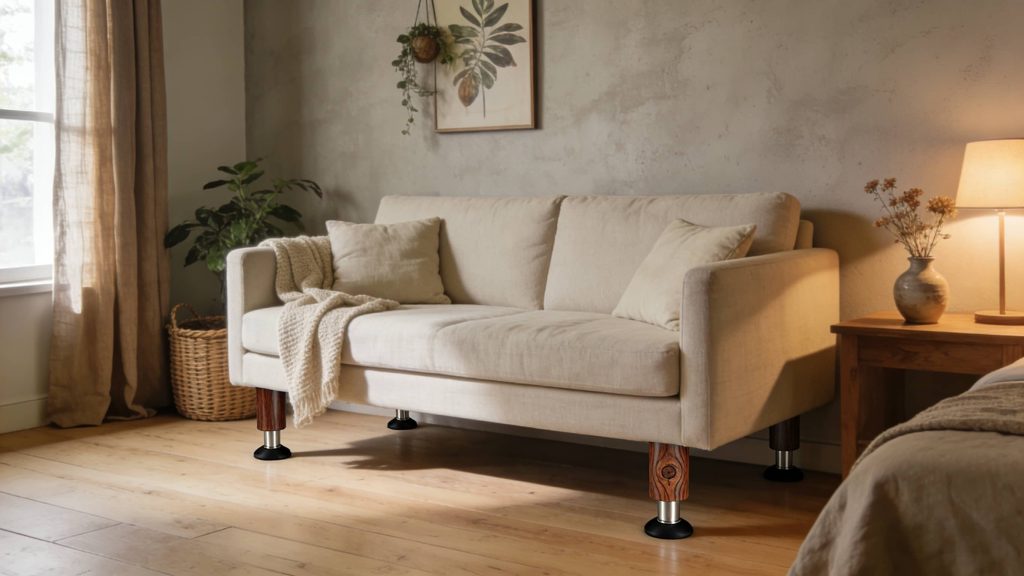
Material Selection and Its Impact on Performance
Did you know that the choice of material for sofa legs can influence not just aesthetics but also the overall durability and performance of your furniture? It’s true! A poorly chosen material can lead to wobbling, bending, or worse — a catastrophic failure that could send your carefully crafted sofa crashing to the floor.
Consider a high-end sectional sofa designed for an upscale hotel lobby. If those legs are made from cheap particleboard, they might look great initially but will soon succumb to the weight of heavy guests and constant use. On the other hand, solid hardwood or high-grade metal legs can withstand the test of time (and guests) while maintaining their structural integrity.
Choosing the Right Material
When selecting materials for sofa legs, several factors come into play: weight-bearing capacity, resistance to wear and tear, and even environmental considerations. For instance, hardwoods like oak or maple offer excellent strength and a classic aesthetic. Meanwhile, metals such as stainless steel or aluminum provide modern appeal and exceptional durability.
- Wood: Offers warmth and beauty but requires proper treatment to prevent warping.
- Metal: Provides strength and a sleek look; however, it can be heavier and may require protective coatings.
- Plastic: Lightweight and affordable but often lacks the durability needed for high-quality furniture.
The Science Behind Material Performance
But why does this matter? you might ask. Well, each material has unique properties that affect its performance under stress. For instance, wood expands with humidity while metal contracts — leading to potential misalignments in joints over time. Understanding these properties allows designers to make informed choices that enhance longevity.
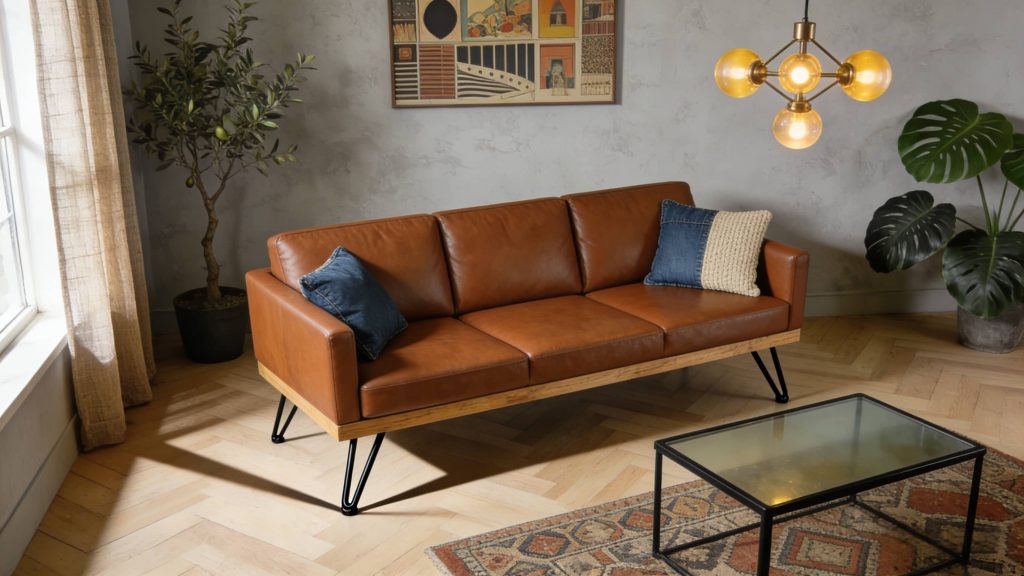
Key takeaway: Selecting the right material isn’t just about looks; it’s about ensuring your furniture stands up to real-world use without compromising quality.
| Material Type | Advantages | Disadvantages |
|---|---|---|
| Solid Wood | Aesthetic appeal, strong load-bearing capacity | Prone to warping with moisture |
| Metal | High durability, modern design | Heavier than wood |
| Plastic | Lightweight, cost-effective | Less durable than wood or metal |
Design Innovations in Sofa Leg Engineering
Imagine walking into a high-end furniture store and spotting a sofa that looks like it defies gravity. Those sleek, stilt-like legs aren’t just for show; they represent cutting-edge engineering that can support a hefty load while remaining visually stunning. This is the magic of modern sofa leg design, where aesthetics and functionality collide.
Recent advancements in materials and manufacturing processes have revolutionized how we think about sofa legs. For instance, did you know that using composite materials can increase strength by up to 30% compared to traditional wood? This means lighter, more durable designs that don’t compromise on style.
The Role of CAD in Design
Computer-Aided Design (CAD) software has become a game changer for designers looking to innovate. With CAD, engineers can create intricate designs that optimize weight distribution and structural integrity before the first prototype is even made. This technology allows for rapid iterations and adjustments based on real-time data, ensuring that every leg is engineered for maximum performance.
Sustainable Innovations
Sustainability isn’t just a buzzword; it’s becoming central to furniture design. Brands are now exploring eco-friendly materials like bamboo or recycled metals that not only reduce environmental impact but also offer unique aesthetic qualities. These innovations allow manufacturers to appeal to environmentally conscious consumers without sacrificing quality or durability.
Important Insight: Innovations in sofa leg engineering enhance both performance and sustainability, providing brands with competitive advantages in the market.
The Future: Smart Sofa Legs
Smart furniture is no longer just a futuristic concept; it’s becoming reality. Imagine sofa legs equipped with sensors that adjust height automatically or provide stability feedback based on weight distribution. These innovations could redefine user experience and elevate furniture functionality beyond traditional expectations.
The global smart furniture market is projected to reach $82 billion by 2025, showcasing the growing demand for innovative designs.
‘For brands looking to stay ahead, investing in these design innovations isn’t just smart—it’s essential. By embracing new technologies and sustainable practices, you’re not only enhancing your product line but also reinforcing your brand’s commitment to quality and innovation.’
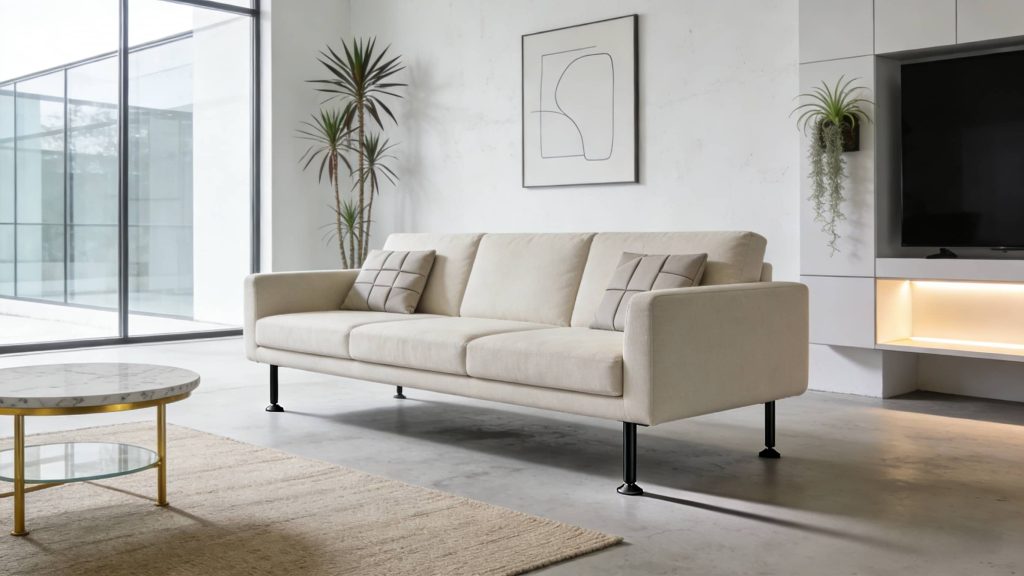
Manufacturing Techniques for Precision and Consistency
Ever wondered why some sofa legs feel as sturdy as a rock while others wobble like a toddler on roller skates? The secret often lies in the manufacturing techniques used to create them. A staggering 70% of furniture failures can be traced back to poor construction methods. So, let’s dig into the nitty-gritty of how precision and consistency in manufacturing can make all the difference.
The Importance of CNC Machining
CNC (Computer Numerical Control) machining has revolutionized how we produce sofa legs. This technology allows for incredibly precise cuts and shapes that traditional methods simply can’t match. Imagine a mid-sized furniture manufacturer trying to produce thousands of identical sofa legs without CNC technology — it would be like trying to bake cookies using only a spoon instead of a mixer. With CNC, you get uniformity in every piece, drastically reducing the risk of defects.
Not only does CNC machining ensure accuracy, but it also enhances efficiency. For instance, if you’re producing custom designs for a high-end client, CNC machines can swiftly adapt to changes without significant downtime. This agility is crucial for brands that want to stay competitive while delivering top-notch quality.
Quality Control: The Unsung Hero
Quality control is often overlooked but plays a pivotal role in ensuring that every sofa leg meets stringent standards. At LICHUAN, we implement rigorous testing protocols throughout the manufacturing process — from raw material inspection to final product evaluation. Think about it: you wouldn’t want your beautifully crafted sectional sofa collapsing because one leg was slightly off-kilter due to lackluster quality checks.
- Dimensional accuracy checks ensure each leg matches specifications.
- Load testing simulates real-world conditions to verify strength.
- Surface finish inspections guarantee aesthetic appeal without compromising durability.
Key takeaway: Quality control isn’t just an afterthought; it’s an integral part of producing reliable furniture that stands the test of time.
Innovative Joining Techniques
How are those legs attached? is a question that often gets glossed over until something goes wrong. Innovative joining techniques like mortise and tenon joints or advanced adhesives can significantly enhance stability and longevity. For example, consider a modern sofa designed with sleek metal legs attached using specialized adhesives rather than traditional screws — this not only maintains aesthetic integrity but also provides superior strength.
Incorporating these innovative methods not only improves product reliability but also opens up avenues for unique design possibilities that cater to modern tastes.
Customization Options for Diverse Market Needs
When it comes to sofa legs, one size definitely does not fit all. In fact, nearly 80% of furniture manufacturers report that customization is a key driver of their business strategy. Why? Because tailored solutions not only meet specific market demands but also enhance brand identity.
Imagine a boutique hotel looking to furnish its lobby. The owner wants sofa legs that reflect the hotel’s rustic charm while ensuring durability for high traffic. Standard options just won’t cut it here — they need something unique, something that tells a story.
Tailored Designs: Meeting Unique Aesthetics
Customization allows brands to experiment with various designs and finishes that resonate with their target audience. For instance, a modern cafe might opt for minimalist metal legs with a matte black finish, while an upscale restaurant could choose ornate wooden legs with intricate carvings. This flexibility can set your furniture apart in a crowded marketplace.
- Custom shapes: From tapered to flared designs, the options are endless.
- Finishes: Powder coating, varnishing, or even faux finishes can change the game.
- Height adjustments: Offering adjustable height options caters to diverse user needs.
Functional Customization: Beyond Looks
Looks good is just the beginning. Functional customization can address practical challenges too. Consider a furniture brand targeting co-working spaces — they might require sofa legs designed for easy mobility or built-in cable management features.
Functionality meets aesthetics should be your mantra when customizing sofa legs.
Over 60% of consumers prefer brands that offer customization options. This statistic underscores the growing demand for personalized products in today’s market.
Sustainable Customization: Eco-Friendly Choices
Going green isn’t just trendy; it’s vital. Many brands are now opting for sustainable materials like reclaimed wood or recycled metals in their custom designs. Not only does this appeal to environmentally conscious consumers, but it also helps reduce manufacturing waste — a win-win!
Testing and Compliance: Ensuring Safety and Reliability
Picture this: a beautifully crafted sectional sofa collapses during a family gathering, sending dishes flying and dinner guests scrambling for cover. Not the kind of memory anyone wants to create! This scenario highlights the critical importance of rigorous testing and compliance in sofa leg manufacturing.
In fact, according to industry standards, furniture must withstand a minimum load of 200 pounds without failure. This is where testing comes into play. It’s not just about aesthetics; it’s about ensuring that every piece of furniture can handle the real-world pressures it will face.
The Testing Process
The journey begins with material testing. Before any sofa leg design hits production, manufacturers must evaluate the materials’ strength and durability. For instance, if you’re using aluminum for your legs, you’d want to conduct tensile tests to measure how much force they can take before bending or breaking.
- Load Testing: Simulates real-life weight conditions to ensure stability.
- Durability Testing: Assesses how well materials resist wear over time.
- Environmental Testing: Evaluates how materials perform under varying humidity and temperature conditions.
Compliance with Industry Standards
Compliance might sound like a buzzword, but in the world of furniture manufacturing, it’s your golden ticket to reliability. Adhering to standards set by organizations such as ANSI (American National Standards Institute) or BIFMA (Business and Institutional Furniture Manufacturers Association) ensures that your products are safe for consumers.
Let’s take a look at a practical example: a mid-sized furniture manufacturer that specializes in high-end sofas faced significant returns due to leg failures. After investigating, they discovered that their legs weren’t adequately tested for weight capacity. By implementing rigorous load testing protocols aligned with BIFMA standards, they not only reduced returns by 50% but also enhanced their brand reputation as a reliable choice among discerning consumers.
Investing in proper testing processes can save manufacturers from costly recalls while enhancing customer satisfaction.
Trends Influencing the Future of Sofa Leg Design
Sofa legs are no longer just functional supports; they’re becoming the stars of furniture design. With growing consumer demand for unique aesthetics and functionality, sofa leg design is undergoing a renaissance. Did you know that nearly 50% of furniture designers are prioritizing innovative leg designs to differentiate their products in a saturated market? That’s not just a trend—it’s a revolution.
Sustainable Materials Take Center Stage
Sustainability isn’t just a buzzword; it’s reshaping how we think about sofa legs. Designers are increasingly opting for eco-friendly materials like reclaimed wood and bamboo, which not only reduce environmental impact but also add character to the pieces. Imagine a dining table with legs made from repurposed barn wood—each scratch and knot tells a story while supporting sustainable practices.
Key takeaway: Embracing sustainable materials can enhance your brand’s appeal without sacrificing quality.
The Rise of Modular Designs
Modular designs are gaining traction as consumers seek versatility in their furniture. Sofa legs that can be easily swapped or adjusted allow users to customize their furniture according to their changing needs. For instance, imagine a sofa with interchangeable legs that can transform from low-profile for casual lounging to taller for formal dining. This adaptability not only caters to diverse consumer preferences but also maximizes functionality.
- Interchangeable Components: Allow for personalized aesthetics.
- Height-Adjustable Options: Cater to various uses.
- Easier Repairs and Upgrades: Promote longevity.
Smart Technology Integration
Smart is the new sexy in furniture design, and sofa legs are no exception. Imagine legs equipped with sensors that adjust height based on user preferences or even provide feedback on weight distribution for optimal stability. This kind of innovation could redefine how we interact with our furniture, making it more intuitive and user-friendly.
The global smart furniture market is projected to reach $82 billion by 2025, highlighting the growing demand for technology-driven designs.
Designing for Experience
Designing for experience is another emerging trend influencing sofa leg design. This approach focuses on how the furniture interacts with its environment and users. For example, consider noise-dampening features in sofa legs that minimize sound when moving chairs or adjusting heights—a thoughtful touch that enhances user experience in both residential and commercial settings.
Supply Chain Considerations for Furniture Brands
Imagine your beautifully crafted sofa legs arriving at the warehouse, only to discover that they don’t match the specifications you ordered. Frustrating, right? This scenario is all too common in the furniture industry, and it highlights just how crucial supply chain considerations are for brands looking to deliver high-quality products.
A staggering 65% of furniture manufacturers report delays in production due to supply chain issues, which can lead to missed deadlines and dissatisfied customers. When it comes to sofa legs, ensuring a reliable supply chain isn’t just about getting materials from point A to point B; it’s about maintaining quality and consistency throughout the process.
Choosing Reliable Suppliers
Finding suppliers who understand your vision for high-quality sofa legs is paramount. You want partners who not only deliver on time but also share your commitment to excellence. For instance, a mid-sized furniture brand that specializes in custom pieces must vet suppliers thoroughly — checking their production capabilities, quality control processes, and past performance.
- Look for ISO-certified manufacturers that adhere to strict quality standards.
- Evaluate suppliers based on their ability to provide consistent materials.
- Consider local versus international suppliers based on lead times and shipping costs.
Managing Inventory Effectively
Just-in-time inventory might sound appealing — after all, who wants a warehouse full of unused sofa legs? But this approach can backfire if demand spikes unexpectedly. A furniture brand producing bespoke sofas might find itself scrambling for legs if its supplier can’t keep up with sudden orders. Instead, consider implementing an inventory management system that allows you to balance stock levels with demand forecasts.
Smart inventory management can prevent costly delays and ensure you always have the right components when you need them.
Quality Assurance: The Backbone of Your Supply Chain
You get what you pay for isn’t just a saying; it’s a reality in furniture manufacturing. A cheaper supplier might cut corners on material quality or production methods, leading to subpar sofa legs that could compromise your entire product line. Implementing rigorous quality assurance checks at every stage of the supply chain can save you headaches down the road.
- Conduct audits of supplier facilities regularly.
- Implement strict incoming material inspections before production starts.
- Ensure compliance with safety standards such as ANSI or BIFMA.
Key takeaway: Prioritizing quality assurance throughout your supply chain ensures that every sofa leg meets your brand’s standards.
The Role of Technology in Streamlining Supply Chains
Leveraging technology can be a game changer when it comes to managing your supply chain effectively. From using software that tracks inventory levels in real-time to implementing predictive analytics for demand forecasting, technology allows brands to respond quickly and efficiently. Imagine having a dashboard that alerts you when stock levels dip below a certain threshold — this kind of proactive approach can keep production running smoothly.
Utilizing technology not only enhances efficiency but also provides valuable insights into improving overall operations.
Market Analysis: Understanding Competitive Landscape in Sofa Legs Manufacturing
In the bustling world of furniture manufacturing, sofa legs often play the unsung hero role. Yet, despite their humble appearance, they are pivotal to both aesthetics and functionality. Did you know that the global market for sofa legs is projected to grow at a compound annual growth rate (CAGR) of 5.2% from 2021 to 2026? This statistic underscores the increasing importance of understanding the competitive landscape in this niche sector.
The competition among manufacturers is fierce, with brands vying for attention through innovative designs and sustainable materials. A recent analysis revealed that nearly 70% of furniture brands are now prioritizing eco-friendly options in their product lines. This trend isn’t just a passing fad; it’s shaping how companies approach their offerings and market positioning.
Identifying Key Competitors
When assessing the competitive landscape, it’s essential to identify who your key players are. For instance, companies specializing in high-end custom sofa legs are often competing against both local artisans and larger manufacturers who can leverage economies of scale. Understanding their strengths—be it superior craftsmanship or advanced manufacturing techniques—can help you carve out your niche.
- Local Artisans: Focusing on bespoke designs and unique materials.
- Large Manufacturers: Offering mass-produced yet customizable options.
- Sustainable Brands: Prioritizing eco-friendly materials and practices.
Market Trends Shaping Sofa Legs
Sustainability is not just a buzzword; it’s a driving force in the furniture industry today. Brands that embrace sustainable sourcing and production methods are not only appealing to eco-conscious consumers but also differentiating themselves in a crowded market. By integrating recycled materials or responsibly sourced wood into their designs, these companies position themselves as leaders in an evolving marketplace.
Embracing sustainability can enhance your brand’s appeal without sacrificing quality.
Consumer Preferences: The Shift Towards Customization
Customization is another significant trend impacting the competitive landscape of sofa legs manufacturing. Consumers increasingly demand products tailored to their specific needs—whether that’s unique heights, finishes, or styles. A furniture brand that offers customizable options can engage more effectively with its audience, creating a sense of ownership and satisfaction.
Over 60% of consumers prefer brands that offer customization options.
To thrive in this competitive environment, brands must stay attuned to these trends while also being proactive about innovation. By leveraging technology for design processes or adopting advanced manufacturing techniques like CNC machining, you can improve both quality and efficiency.
Ultimately, understanding the competitive landscape isn’t just about knowing who your rivals are; it’s about recognizing what consumers want—and delivering it consistently. As you refine your approach to sofa leg manufacturing, consider how these insights can help guide your strategy moving forward.