
Material Selection for Bed Legs
Choosing the right material for durable bed legs isn’t just a design decision—it’s a matter of durability and stability that can make or break your entire furniture piece. Did you know that around 70% of furniture failures are attributed to weak or inappropriate leg materials? That’s a staggering statistic that should make any furniture brand sit up and take notice.
The Usual Suspects: Wood, Metal, and Plastic
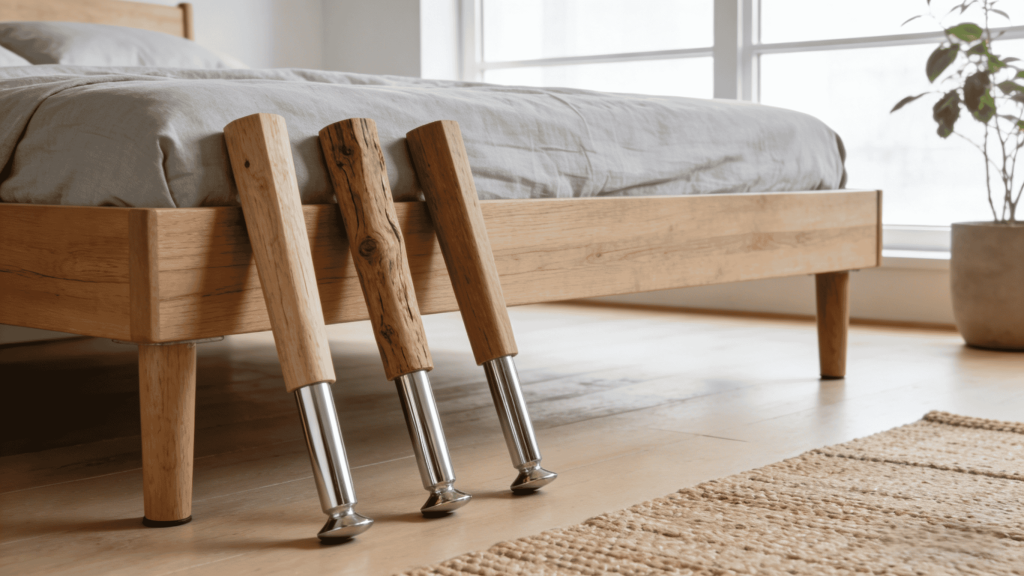
When it comes to bed legs, the classic trio of wood, metal, and plastic often dominate the conversation. Each material has its unique characteristics that can significantly affect not only aesthetic appeal but also structural integrity.
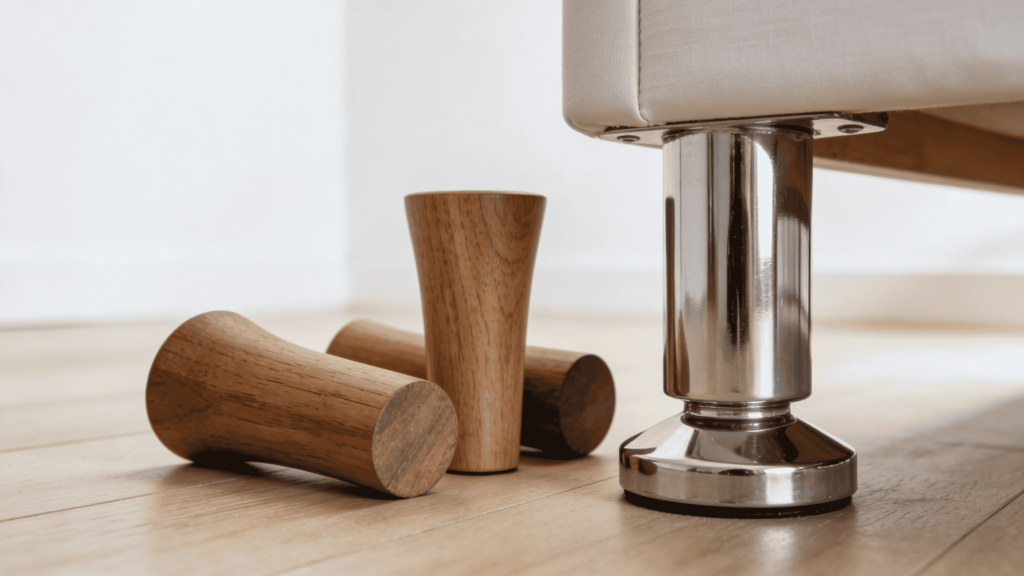
- Wood: Timeless elegance with varying strengths based on type. Hardwoods like oak or walnut offer robustness but can be pricey.
- Metal: Known for its strength and longevity. Options like steel or aluminum are perfect for modern designs but can sometimes be heavy.
- Plastic: Lightweight and cost-effective but often lacks the sturdiness needed for high-end furniture.
Important Note: Always consider the weight capacity required for your specific bed design when selecting materials.
The Hidden Costs of Cheap Materials
But why not just use cheaper plastic? you might ask. Sure, it’s tempting to cut costs, but opting for inferior materials can lead to higher long-term expenses due to replacements or repairs. Think about a scenario where a brand opts for low-quality plastic legs—after a few months of use, they start to warp under pressure, leading to wobbly beds and unhappy customers. Not exactly the reputation you want to build!
Key Takeaway: Investing in quality materials today prevents costly problems tomorrow.

Innovative Material Options
Innovation is more than just a buzzword; it’s a game-changer in material selection. Consider engineered woods like plywood or MDF—they offer great strength while being more environmentally friendly than solid wood alternatives. Then there’s composite metal which combines the best of both worlds: lightweight yet incredibly strong.
Sustainable materials are also gaining traction in the market as consumers become more eco-conscious. Materials like bamboo not only provide sturdy support but also align with sustainable practices—making them attractive options for brands looking to appeal to eco-minded customers.
Ultimately, when selecting materials for bed legs, think about your brand’s identity and your customers’ needs. Are they looking for luxury? Go with hardwoods or metals. Need something affordable yet reliable? Engineered woods could be your best bet.
In conclusion, material selection is more than just picking what looks good—it’s about ensuring durability and functionality while aligning with customer expectations. So next time you’re brainstorming designs or sourcing components, remember: quality matters!
Engineering Design for Custom Bed Legs
Imagine a bed leg that can support not just your mattress but also your dreams of quality and durability. The engineering design behind custom bed legs is where the magic happens, transforming ordinary furniture into robust masterpieces.
Take a moment to consider this: a well-engineered bed leg can extend the life of your furniture by up to 50%. That’s not just a number; it’s an investment in quality that pays off in customer satisfaction.
The Importance of Structural Integrity
Structural integrity is the backbone of any successful furniture design. When we engineer custom bed legs, we focus on factors like load distribution, material strength, and stability. A poorly designed leg can lead to wobbling or even catastrophic failure—think about it: no one wants their bed collapsing under them after a long day!
By utilizing advanced computer-aided design (CAD) software, we can simulate stress tests and load-bearing scenarios. This means every custom bed leg is crafted to withstand real-world conditions without compromising on style.
Customization Options Galore
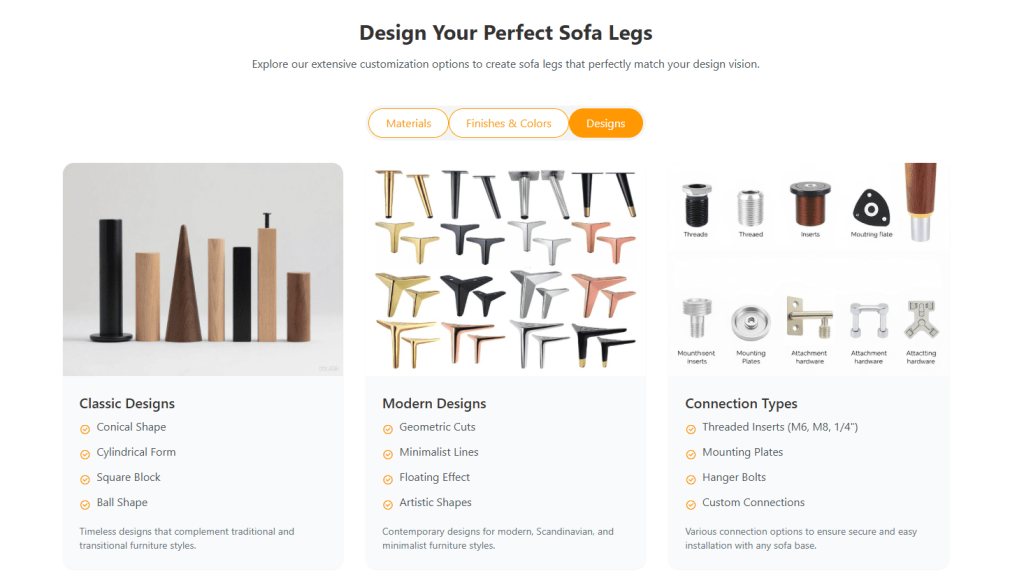
Customization isn’t just about aesthetics; it’s also about functionality. With custom bed legs, you can choose from various heights, widths, and designs tailored to specific mattress types or consumer preferences. For example, if you’re targeting a market that loves minimalist designs, sleek metal legs with powder coating could be the way to go.
On the other hand, if your brand leans towards rustic charm, beautifully crafted wooden legs with intricate carvings might resonate more with your audience. The key is understanding what your customers value and delivering it through thoughtful engineering.
Pro Tip: Always align your design choices with market trends—what’s in vogue today might be yesterday’s news tomorrow.
Sustainability Meets Durability
Green isn’t just a color; it’s a movement! Consumers are increasingly looking for sustainable options that don’t sacrifice durability. By engineering bed legs from recycled materials or sustainably sourced wood, you not only cater to eco-conscious buyers but also enhance your brand’s reputation for responsibility.
But how do these materials hold up? you might wonder. The truth is that modern engineering techniques have made it possible to create strong yet lightweight components from sustainable sources. Think bamboo or recycled metal—both are excellent choices that combine strength with environmental stewardship.
Key Takeaway: Engineering custom bed legs isn’t just about aesthetics; it’s crucial for ensuring long-lasting performance and meeting customer expectations.
In conclusion, investing time in the engineering design of custom bed legs pays off immensely. It’s all about balancing aesthetics with functionality while keeping sustainability at the forefront. So next time you’re designing furniture pieces, remember: strong foundations lead to stronger brands!
Manufacturing Processes for Bed Legs
Ever wonder why some bed legs seem to withstand the test of time while others buckle under pressure? It all boils down to the manufacturing process. The difference between a sturdy bed leg and one that bows out after a few months often lies in the precision and care taken during production.
A well-executed manufacturing process can increase the lifespan of bed legs by up to 40%.
Material Preparation: The First Step
Before anything can be assembled, materials need to be prepared. Whether you’re working with wood, metal, or composites, each material requires specific treatments. For instance, wood often undergoes drying and conditioning to prevent warping. Metal legs might be treated with anti-corrosive coatings to ensure longevity. This initial step is crucial—improper preparation can lead to weak spots that compromise strength.
Precision Engineering: Cutting and Shaping
Once materials are prepped, it’s time for cutting and shaping. Advanced CNC (Computer Numerical Control) machines take center stage here, ensuring that each cut is precise down to the millimeter. Imagine trying to fit a puzzle together with pieces that don’t quite match—frustrating, right? That’s why precision is key in creating bed legs that fit seamlessly into your furniture designs.
- CNC machining for accurate cuts.
- Laser cutting for intricate designs.
- Hydraulic presses for shaping metal components.
Assembly: Where It All Comes Together
Assembly might sound straightforward, but it’s where craftsmanship shines. Skilled workers (or robots) join components using techniques like welding for metal legs or doweling for wooden ones. Each method has its pros and cons—welding offers incredible strength but can add weight, while doweling keeps things lightweight but may require additional reinforcement.
Quality assurance checks during assembly can catch potential issues before they become customer complaints.
Finishing Touches: Coatings and Treatments
The final step is all about aesthetics and protection. A powder coating not only adds color but also protects metal legs from scratches and rust. For wooden legs, stains or varnishes enhance their beauty while providing a protective layer against wear and tear. This is where your brand identity can shine through—the right finish can elevate your product from ordinary to extraordinary!
When choosing finishes, consider both durability and style; it’s about finding the sweet spot between function and flair.
OEM Customization Strategies for Bed Legs
Customization isn’t just a nice-to-have in the furniture industry; it’s becoming a necessity. A recent survey revealed that over 60% of consumers prefer personalized furniture options that reflect their unique style. This trend is reshaping how brands approach bed legs, turning them from mere supports into design statements.
Understanding Your Market
Before diving into customization, it’s crucial to know who you’re designing for. Are your customers millennials seeking trendy designs or older generations valuing classic aesthetics? For instance, a furniture brand targeting young professionals might opt for sleek metal legs with a modern finish, while a company catering to families might prioritize sturdy wooden options that can withstand the chaos of daily life.
Key Insight: Tailor your bed leg designs based on demographic preferences and lifestyle needs.
Collaborative Design Process
Collaboration is the name of the game when it comes to OEM customization. Involve your clients early in the design process—this could be through workshops or feedback sessions. Picture this: a mid-sized furniture brand working closely with designers to create modular bed legs that can adapt to various styles and heights. This kind of partnership not only enhances creativity but also ensures that the final product resonates with end-users.
- Engage in regular feedback loops with clients.
- Utilize prototypes to visualize customization options.
- Encourage client input on materials and finishes.
Innovative Materials and Techniques
Customization doesn’t stop at aesthetics; it extends to materials too. Consider integrating innovative materials like recycled plastics or bamboo, which not only appeal to eco-conscious consumers but also offer unique design possibilities. For example, imagine bed legs crafted from composite materials that combine strength with lightweight properties—perfect for easy assembly and transport!
Green options can significantly enhance your brand image while meeting customer demand.
Smart Bed Legs: The Future of Customization
As technology advances, so do customization possibilities. Think about smart bed legs equipped with sensors that adjust height based on user preferences or room conditions. This innovative approach not only sets your products apart but also aligns with the growing trend of smart home integration.
Embracing technological advancements in customization can elevate your product offerings and attract tech-savvy consumers.
In summary, OEM customization strategies for bed legs should focus on understanding market demands, fostering collaboration with clients, utilizing innovative materials, and exploring technological advancements. As consumer preferences shift toward personalization and sustainability, adapting your approach will be key to staying competitive in this dynamic market.
Supply Chain Management for Bed Leg Production
A smoothly running supply chain can be the unsung hero behind the success of your bed leg production. Did you know that nearly 79% of companies with high-performing supply chains achieve revenue growth significantly above their industry average? That’s a compelling reason to pay attention!
Consider this: a furniture brand, let’s say, a chic boutique specializing in custom beds, finds itself scrambling to meet demand during peak seasons. Their bed leg supplier is lagging due to inefficient logistics, and suddenly, they’re left with half-finished products and disappointed customers. Not exactly the scenario you want when trying to build a reputation for reliability.
The Backbone of Production: Supplier Relationships
Building robust relationships with suppliers is crucial. Think of your suppliers as partners in your quest for quality bed legs. When you have strong ties with reliable manufacturers, you can ensure consistency in quality and delivery times. A good relationship can also lead to better pricing and priority during busy periods—everyone wins!
Key Insight: Nurturing supplier relationships fosters trust and reliability, essential for smooth operations.
Streamlining Logistics: Timing is Everything
Logistics might sound like a dry topic, but it’s where the magic happens! Efficient logistics management ensures that materials arrive on time and in perfect condition. This means utilizing advanced software for tracking shipments and managing inventory levels effectively. Imagine receiving an order of premium wood just as you’re running low—now that’s what we call good timing!
- Implement just-in-time (JIT) inventory systems to reduce waste.
- Utilize real-time tracking tools for better visibility.
- Optimize shipping routes to save time and costs.
Quality Control: The Non-Negotiable Step
Quality control might sound like a buzzword, but it’s your safety net against costly mistakes. Regular inspections at various stages of production help catch issues early on—think about it: would you rather fix a minor defect in the factory or deal with returns after customers have received their faulty bed legs?
Regulatory Compliance and Standards in Bed Leg Manufacturing
Imagine launching a new line of bed legs only to find out they don’t meet safety regulations—talk about a nightmare! In the furniture industry, regulatory compliance isn’t just a box to check; it’s the foundation of your brand’s credibility.
According to the American National Standards Institute (ANSI), nearly 30% of furniture recalls are due to safety standard violations. This statistic should make any furniture manufacturer sit up and take notice. Non-compliance can lead not only to financial losses but also damage your brand’s reputation.
Understanding Key Regulations
When it comes to bed legs, there are several key regulations you need to be aware of. The most important standards often include the Consumer Product Safety Commission (CPSC) guidelines, which ensure that products are free from hazards that could cause injury. You’ll also want to consider standards from organizations like ASTM International, which provide specific testing methods for strength and durability.
- CPSC guidelines: Focus on preventing injuries related to furniture stability.
- ASTM standards: Provide testing protocols for load-bearing capabilities.
- ISO certifications: Ensure quality management processes are in place.
Important Note: Always stay updated on local and international regulations as these can vary significantly by region.
The Testing Process
Testing is where the rubber meets the road—or in this case, where the leg meets the floor! Before your bed legs hit the market, they must undergo rigorous testing for factors like weight capacity, stability, and material safety. This is not just about passing a test; it’s about ensuring that your product can withstand real-world conditions without collapsing under pressure.
Failure isn’t just a lesson learned; it’s a costly setback. For instance, if a batch of bed legs fails stability tests after production, you might face expensive recalls or worse—injuries leading to lawsuits. That’s why investing in thorough testing protocols upfront can save you headaches down the line.
Key Takeaway: Incorporating compliance checks into your manufacturing process will not only protect your customers but also safeguard your brand reputation.
Green Compliance
In today’s eco-conscious market, regulatory compliance isn’t just about safety; it’s also about sustainability. Many manufacturers are now required to adhere to environmental regulations regarding materials used in production. This includes ensuring that wood is sourced from sustainably managed forests or using recycled materials wherever possible.
For example, if you’re using composite materials for your bed legs, you need to verify their environmental impact through certifications like LEED or FSC (Forest Stewardship Council). Not only does this enhance your product’s appeal among eco-conscious consumers, but it also positions your brand as responsible and forward-thinking.
In summary, navigating regulatory compliance in bed leg manufacturing is not optional; it’s essential for long-term success. By understanding key regulations, investing in rigorous testing processes, and embracing sustainable practices, you position your brand as a trusted leader in quality and safety. So next time you’re designing those stylish new legs for beds, remember: compliance is part of design!
Market Trends Influencing Bed Leg Design and Production
The bed leg market is experiencing a seismic shift, driven by changing consumer preferences and sustainability concerns. A recent study found that 73% of consumers are now more likely to purchase furniture from brands that emphasize eco-friendly practices. This isn’t just a passing trend; it’s a fundamental change in how consumers view their purchases.
Sustainability Takes Center Stage
Sustainability isn’t just a buzzword anymore; it’s the new gold standard. Brands are increasingly looking for bed legs made from recycled materials or sustainably sourced woods. Imagine a furniture company that uses reclaimed wood for its bed legs, not only reducing waste but also telling a compelling story about their commitment to the environment. This approach appeals to eco-conscious consumers and sets brands apart in a crowded marketplace.
The Rise of Customization
Customization is no longer an optional feature; it’s become a necessity. With over 60% of consumers expressing interest in personalized furniture options, brands must adapt quickly. Think about a trendy urban loft—its inhabitants want unique, stylish bed legs that reflect their individual tastes. Offering customizable options not only enhances customer satisfaction but also drives brand loyalty.
- Height adjustments for varying mattress types.
- Unique finishes and colors to match diverse aesthetics.
- Material choices that cater to both style and sustainability.
Important Insight: Embracing customization can significantly enhance your product offerings and attract new customer segments.
Technological Innovations
Smart furniture is making waves, and bed legs are no exception. Imagine legs equipped with sensors that automatically adjust height based on user preferences or room conditions—this is where technology meets functionality. By integrating smart features into bed leg designs, brands can cater to tech-savvy consumers who crave convenience alongside style.
In summary, staying attuned to these market trends—sustainability, customization, and technological innovation—will empower your brand to thrive in the evolving landscape of furniture design. As you consider your next steps in product development, remember: aligning with these trends not only meets consumer demand but also positions you as a forward-thinking leader in the industry.