
Material Selection for Cabinet Legs: Balancing Durability and Aesthetics
When it comes to cabinet legs, choosing the right material is like picking the perfect outfit for a first date — it needs to look good and hold up under pressure. After all, nobody wants their stylish new cabinets crumbling under the weight of their belongings or looking like they just survived a tornado.
Did you know that cabinets with poorly chosen legs can lead to structural failures, costing manufacturers thousands in repairs and replacements?
Let’s break down some materials that strike that elusive balance between durability and aesthetics. Wood, metal, and plastic each have their pros and cons, so let’s explore them through the lens of real-world applications.
Wood: The Classic Choice
Wooden cabinet legs scream elegance. They offer warmth and character, making them a popular choice for high-end furniture lines. However, not all woods are created equal. Hardwoods like oak or maple provide strength but can be pricey. On the flip side, softer woods like pine are budget-friendly but may warp or dent over time.
Consider this scenario: A boutique furniture maker opts for pine legs on a custom cabinet meant for a busy family kitchen. Within months, those legs buckle under the daily hustle of kids and pets. Choosing a hardwood could have saved them from future headaches.
Metal: The Modern Marvel
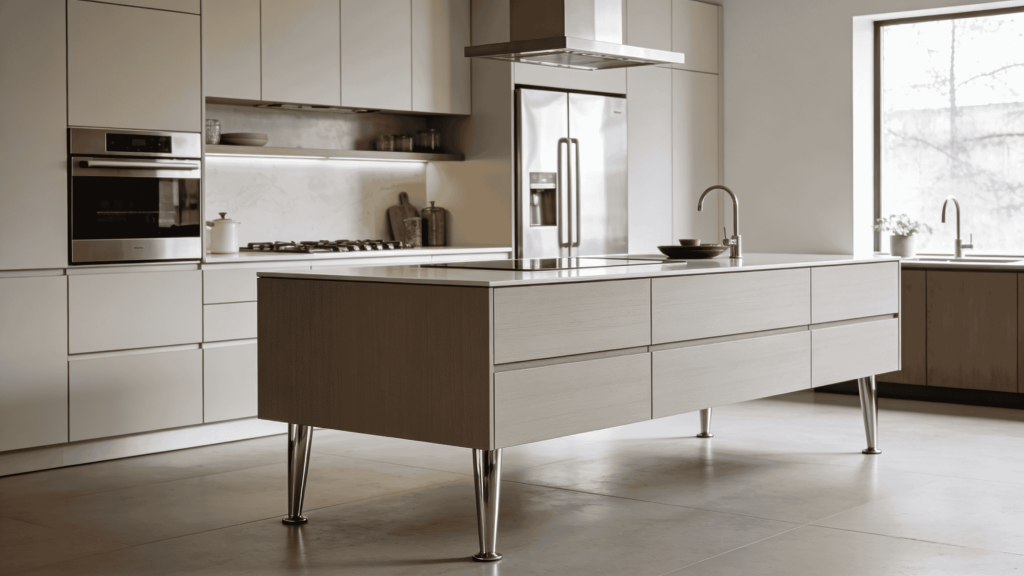
Industrial chic is more than just a buzzword; it’s a lifestyle! Metal legs can add that sleek modern touch to any cabinet design while offering unmatched durability. Stainless steel or aluminum options resist rusting and corrosion — perfect for humid environments like kitchens or bathrooms.
But wait, you might say, metal looks cold! That’s where finishes come into play! Powder coating can transform those stark metallic surfaces into vibrant colors or textured finishes that fit any aesthetic. Think of it as dressing up your metal legs in fashionable attire!
Plastic: The Underestimated Contender
Plastic? Really? Yes! While often dismissed as cheap, high-quality plastics can be surprisingly resilient and versatile. They’re lightweight, easy to mold into unique shapes, and resistant to moisture — ideal for outdoor furniture or budget-conscious projects.
But what about aesthetics? you ask. Modern plastics come in various colors and finishes that mimic wood or metal without the hefty price tag. Imagine creating an eye-catching cabinet with vibrant plastic legs that stand out yet hold strong against daily wear!
Ultimately, your choice should align with your brand’s identity and customer expectations. Are you leaning towards classic elegance with wood? Or maybe you’re all about modern minimalism with metal? Whichever path you choose, remember that the right material will not only enhance your product’s appearance but also fortify its longevity in customers’ homes.
Design Considerations: Customization Options for OEMs
Customization is the name of the game when it comes to cabinet legs. With consumers increasingly demanding personalized furniture solutions, OEMs are under pressure to deliver unique designs that stand out. Did you know that nearly 70% of buyers consider customization a key factor in their purchasing decisions? That’s right — if your cabinet legs don’t have that personal touch, you might just get left behind.
Let’s talk about the nitty-gritty of customization. You’ve got options galore! From height adjustments to color finishes, every aspect can be tailored to meet specific needs. Imagine a trendy furniture brand looking for a sleek, minimalist leg design that matches their Scandinavian aesthetic. They need something that not only supports their cabinets but also complements their overall design philosophy.
Height Adjustability
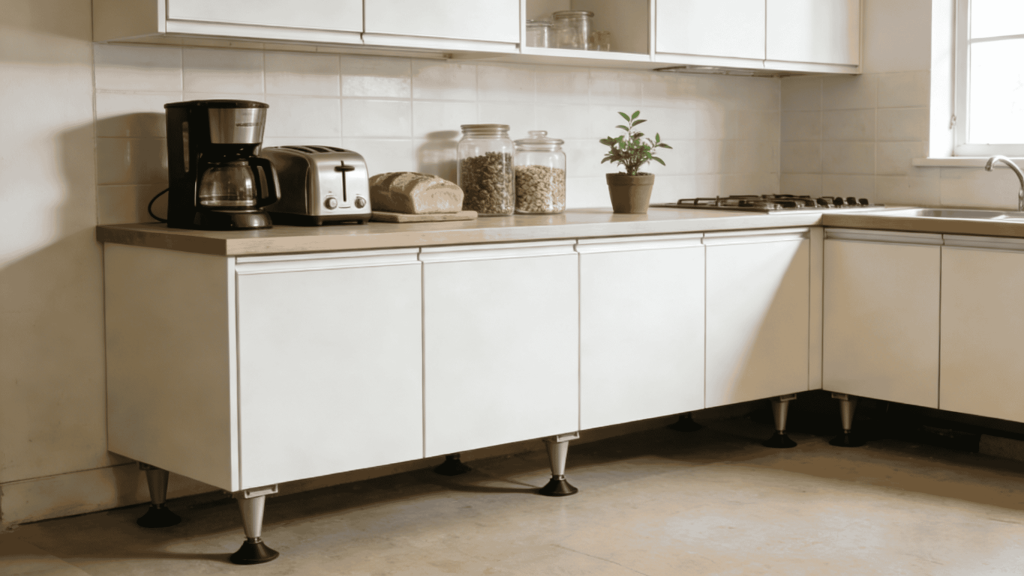
Height is often overlooked but can be crucial. Adjustable cabinet legs allow for versatility in design and functionality. Picture a kitchen where cabinets need to be installed on an uneven floor — height-adjustable legs can save the day! This feature not only enhances user experience but also broadens your product’s appeal across various markets.
Color and Finish Customization
Color and finish options are where creativity takes flight! OEMs can offer powder-coated finishes in various colors, allowing designers to match or contrast with their cabinetry perfectly. Think about it: a vibrant blue leg could add a pop of personality to an otherwise neutral cabinet. Or perhaps a matte black finish could provide that sleek, modern touch everyone is raving about.
Custom finishes not only enhance aesthetics but also protect against wear and tear.
Material Combinations
Why stop at one material? Combining materials can lead to stunning results! A wooden cabinet leg with metal accents could create an eye-catching contrast while ensuring durability. This approach allows OEMs to cater to diverse customer preferences while maintaining structural integrity.
Key takeaway: Offering customization options isn’t just about aesthetics; it’s about meeting customer demands and enhancing product functionality.
The bottom line? Customization in cabinet legs isn’t merely an option; it’s fast becoming a necessity in today’s competitive market. As you explore these possibilities, think about how you can leverage them to set your brand apart from the competition. Whether it’s height adjustability or unique color finishes, giving your clients what they want will keep your designs fresh and relevant.
Manufacturing Techniques: Precision Engineering for Quality Assurance
Imagine this: a furniture manufacturer receives a shipment of cabinet legs, only to find that half of them are misaligned. The frustration is palpable, and the costs start piling up. Precision engineering in manufacturing can mean the difference between a smooth production process and a costly headache.
In fact, studies show that manufacturers who implement precision engineering techniques can reduce defects by up to 50%. That’s not just a number; it translates into significant savings and enhanced product quality.
The Importance of Precision Engineering
When it comes to cabinet legs, precision isn’t just a luxury; it’s essential. Each leg must not only support the weight of the cabinet but also maintain stability over time. Poorly engineered legs can lead to wobbling cabinets or worse — structural failures that compromise safety and aesthetics.
- Accurate measurements prevent misalignment.
- Consistent production leads to uniformity in design.
- High-quality materials paired with precise engineering enhance durability.
Techniques for Achieving Precision
So how do we ensure precision? you might ask. The answer lies in advanced manufacturing techniques. Here are some key methods that can elevate your cabinet leg production:
- CNC Machining: This computer-controlled process allows for intricate designs with exact specifications, ensuring every leg is identical.
- 3D Printing: Ideal for prototyping unique designs quickly, allowing manufacturers to test fit and function before mass production.
- Laser Cutting: Provides clean edges and precise cuts, reducing the need for additional finishing work.
Investing in these technologies not only enhances product quality but also streamlines your manufacturing process.
Quality Assurance: The Final Check
Remember: Quality assurance isn’t just about checking boxes; it’s about building trust with your clients.
By integrating precision engineering and strong quality assurance practices into your manufacturing process, you’re not just producing cabinet legs; you’re crafting reliable hardware solutions that stand the test of time.
Testing Standards: Ensuring Reliability and Safety Compliance
Picture this: a thriving furniture manufacturer receives rave reviews for their stylish cabinets, only to face a PR nightmare when a batch of cabinet legs fails under pressure. Suddenly, those glowing reviews turn into scathing critiques, and the brand’s reputation hangs in the balance. This is where testing standards come into play.
In the world of cabinet legs, reliability isn’t just a nice-to-have; it’s non-negotiable. Did you know that nearly 30% of product recalls in the furniture industry are due to safety issues? That’s a staggering statistic that underscores the importance of rigorous testing. Implementing robust testing standards can help manufacturers avoid costly recalls and protect their brand image.
The Role of Testing Standards
Testing standards serve as the backbone of quality assurance for cabinet legs. They ensure that every leg can withstand not just regular use but also unexpected stresses. Think about it: your customers expect their cabinets to remain stable under varying loads, whether it’s a stack of heavy dishes or an impromptu family gathering.
- Load Testing: Measures how much weight each leg can support before failure.
- Durability Testing: Simulates years of wear and tear to ensure longevity.
- Environmental Testing: Assesses how different conditions (humidity, temperature) affect performance.
Adhering to these testing standards not only boosts product reliability but also fosters consumer trust.
Compliance with Industry Regulations
Safety first isn’t just a catchy phrase; it’s a mandate in the furniture industry. Compliance with safety regulations ensures that your cabinet legs meet national and international safety standards, protecting both your customers and your business from liability issues.
ISO, ANSI, and ASTM might sound like alphabet soup, but they represent critical standards that govern product safety and performance. For instance, adhering to ISO 9001 not only demonstrates quality management but also shows commitment to continuous improvement in manufacturing processes.
Key takeaway: Meeting testing standards and compliance regulations is essential for maintaining product integrity and customer confidence.
Real-World Impacts
Consider a scenario where a popular furniture retailer launched a new line with innovative cabinet legs designed for modern living spaces. The manufacturer invested heavily in marketing but overlooked comprehensive testing protocols. Within weeks of launching, reports surfaced about leg failures leading to wobbly cabinets — not exactly what you want on your resume! This resulted in costly recalls, damaged reputation, and lost sales.
On the flip side, imagine if they had prioritized rigorous testing from day one. They could have confidently marketed their products as both stylish and reliable, reinforcing customer loyalty while avoiding financial pitfalls.
Investing in thorough testing isn’t just about compliance; it’s about safeguarding your brand’s future.
In conclusion, ensuring reliability through stringent testing standards is vital for manufacturers looking to thrive in today’s competitive market. As you develop your cabinet legs, remember that quality assurance isn’t merely an afterthought; it’s part of your commitment to excellence that resonates with customers long after they’ve made their purchase.
Supply Chain Management: Strategies for Reliable Procurement
Imagine you’re a furniture manufacturer, and your latest line of cabinets is set to launch next month. You’ve nailed the design, sourced beautiful materials, and even hired a talented team. But wait! Your supplier for cabinet legs just informed you they can’t deliver on time. Cue the panic! This scenario is all too common in the world of manufacturing, where reliable procurement can make or break your product launch.
A staggering 70% of manufacturers report that supply chain disruptions have negatively impacted their operations. For OEMs focused on custom cabinet legs, this statistic isn’t just a number; it’s a call to action. Let’s explore some effective strategies to ensure your procurement process runs smoothly and keeps those cabinet legs rolling out on time.
Diversify Your Supplier Base
Relying on a single supplier for your cabinet legs is like putting all your eggs in one basket — risky! By diversifying your supplier base, you reduce the potential impact of any single disruption. Consider establishing relationships with multiple suppliers across different regions. This way, if one faces delays due to natural disasters or political issues, you have backups ready to step in.
Tip: Aim for at least three reliable suppliers for critical components.
Implement Just-in-Time (JIT) Inventory
Just-in-Time isn’t just a trendy term thrown around by supply chain gurus; it’s a game-changer! By implementing JIT inventory practices, you can minimize excess stock while ensuring that materials arrive precisely when needed. This strategy not only reduces storage costs but also helps maintain cash flow — crucial for any manufacturer trying to keep their financial health in check.
But what about unexpected demand? you might ask. That’s where strong relationships with suppliers come into play. A well-communicated partnership can help you scale quickly when the need arises without being left high and dry.
Forecasting Demand Accurately
Forecasting demand accurately is akin to having a crystal ball — it’s not perfect, but it sure helps! Utilize historical data and market trends to predict future needs for your cabinet legs. Engaging with sales teams can provide insights into upcoming projects or seasonal demands that may affect procurement.
Pro Tip: Invest in software tools that offer predictive analytics for better forecasting.
Build Strong Relationships with Suppliers
Key takeaway: Building solid relationships with suppliers not only smooths out procurement processes but also adds an extra layer of reliability during crunch times.
Remember, procurement isn’t just about transactions; it’s about partnerships that drive mutual success.
In summary, reliable procurement for custom cabinet legs hinges on strategic planning and proactive management. By diversifying your supplier base, implementing JIT practices, forecasting demand accurately, and nurturing supplier relationships, you’ll set yourself up for success in an ever-evolving market landscape. So go ahead—take these steps today and watch as your manufacturing process transforms into a well-oiled machine!
Market Trends: Consumer Preferences Shaping Cabinet Leg Designs
Consumer preferences are not just whimsical fancies; they’re the driving force behind cabinet leg designs. If you think about it, nearly 80% of consumers want their furniture to reflect their personal style. This means that cabinet legs are no longer just functional components; they’re essential elements of a cohesive design aesthetic.
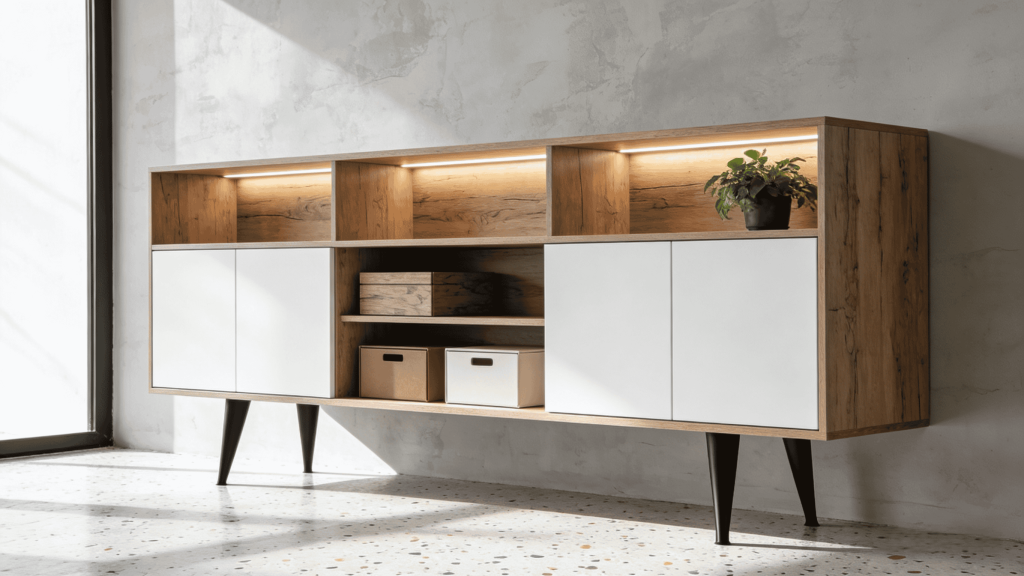
Take a moment to consider the rise of minimalism in interior design. Sleek, slender legs have become the go-to choice for modern cabinets, offering that airy feel that makes spaces appear larger. On the flip side, chunky, rustic legs are making a comeback as homeowners embrace cozy, farmhouse-inspired aesthetics. It’s like watching fashion trends cycle through — one minute it’s all about skinny jeans, and the next it’s wide-legged trousers!
Sustainability: The New Norm
Let’s talk sustainability — because who doesn’t love a good eco-friendly story? Consumers are increasingly seeking out furniture made from sustainable materials. This trend is reshaping how manufacturers approach cabinet leg production. Think bamboo or reclaimed wood; these materials not only reduce environmental impact but also add unique character to each piece.
Imagine a boutique furniture brand that sources its cabinet legs from responsibly harvested timber. They can market their products as not just stylish but also environmentally conscious, appealing to eco-aware consumers who want to make responsible choices without sacrificing aesthetics.
Customization: Personal Touch Matters
One size fits all is quickly becoming obsolete in furniture design. Today’s consumers crave customization options that allow them to express their individuality. From adjustable heights to personalized finishes, offering variations in cabinet leg designs can set your products apart in a crowded marketplace.
Did you know? Nearly 70% of consumers state they would pay more for customized furniture options.
Consider this scenario: A family wants a new kitchen cabinet set but has specific requirements for height and color to match their existing decor. If you offer those customizable features in your cabinet legs, you’re not just selling hardware; you’re providing solutions tailored to real needs.
Key takeaway: Embracing consumer preferences for sustainability and customization can significantly enhance your market appeal and drive sales.
As we move forward, keep an eye on these trends when designing your cabinet legs. They’re not merely functional supports; they’re integral components that reflect consumer values and preferences. By aligning your offerings with what consumers desire, you’ll position yourself as a leader in the evolving landscape of furniture design.
Integration with Other Furniture Components: Enhancing Overall Functionality
Imagine a chic dining room where the cabinets are not just stylish but also seamlessly integrated with other furniture components. That’s the power of well-designed cabinet legs! They can enhance not only the aesthetics but also the functionality of your entire setup.
Consider a scenario: a mid-sized furniture manufacturer is launching a line of modular kitchen cabinets. The design team decides to integrate adjustable cabinet legs that can easily connect with matching countertops and shelving units. This not only elevates the visual appeal but also ensures that every piece works harmoniously together, boosting overall functionality.
The Impact of Compatibility
Compatibility among furniture components is crucial. When cabinet legs are designed to work in tandem with other pieces, it creates a cohesive look and feel. For instance, if your cabinet legs are compatible with various countertop materials or shelving systems, it allows for more flexibility in design and customer choice. This versatility can be a game-changer for OEMs aiming to cater to diverse consumer preferences.
- Enhanced stability when integrated with countertops.
- Easier assembly and disassembly for modular designs.
- Increased consumer satisfaction through customization options.
Designing for Functionality
Form follows function isn’t just a catchy phrase; it’s essential in furniture design! Cabinet legs that incorporate features like height adjustability or built-in leveling systems can significantly improve user experience. For example, consider an urban apartment where floors may not be perfectly even — adjustable cabinet legs can solve this issue while maintaining aesthetic appeal.
Integrated designs lead to fewer complaints and greater customer loyalty.
The takeaway here? When designing your cabinet legs, think beyond just support. Consider how they interact with other components in your furniture ecosystem. By enhancing compatibility and functionality, you’re not just selling hardware; you’re offering solutions that elevate the entire user experience.