
Introduction to Biophilic Design
Definition and importance of biophilic design
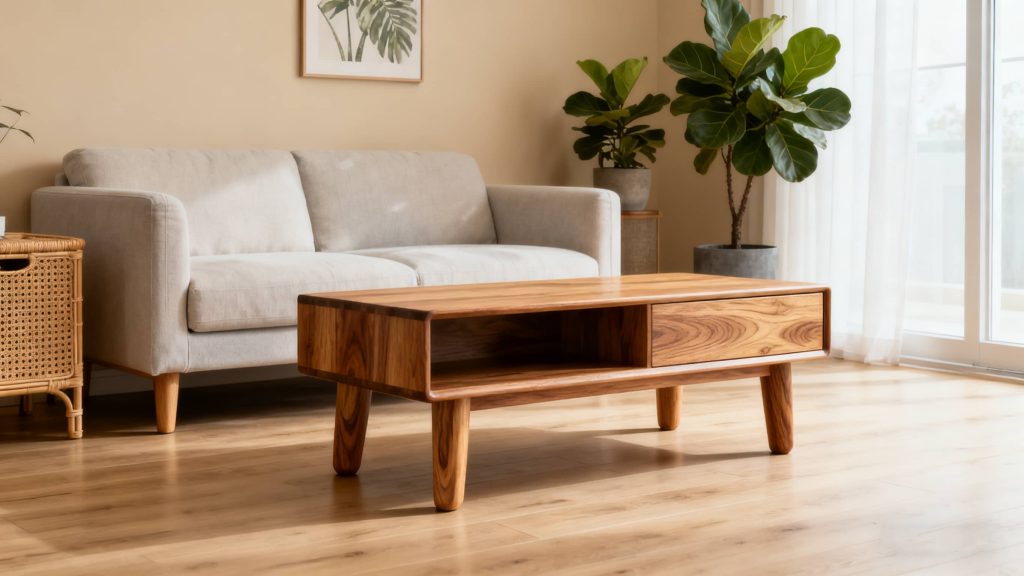
Biophilic design is more than just a trendy buzzword; it’s a philosophy that embraces our innate connection to nature. Think of it as bringing the great outdoors into your living room-without the mosquitoes! By integrating natural elements into our built environments, we can enhance well-being, boost creativity, and even increase productivity. It’s like giving your mind a refreshing walk in the park while you’re seated at your desk.
The importance of biophilic design can’t be overstated. Studies have shown that environments designed with natural elements can reduce stress levels by up to 60%. This is particularly crucial in today’s fast-paced world where many people spend the majority of their time indoors.
Overview of natural elements in interior design
Natural elements in interior design range from sunlight streaming through large windows to the use of materials like wood, stone, and plants. These components not only add aesthetic value but also create spaces that resonate with comfort and tranquility.
- Plants: Incorporating greenery can improve air quality and uplift mood.
- Natural Light: Maximizing daylight reduces reliance on artificial lighting and enhances overall ambiance.
- Materials: Using sustainable materials such as reclaimed wood or bamboo promotes environmental responsibility while adding warmth.
A well-designed space harmonizes these elements, creating an inviting atmosphere that feels alive-like your favorite coffee shop, minus the barista!
Role of furniture legs in biophilic design
You might be wondering how furniture legs, specifically wooden furniture legs, fit into this whole biophilic design concept. Well, let’s break it down! Furniture legs are not just functional; they are a crucial element that can tie together the natural aesthetic of any piece.
- Material Choice: Opting for wooden table legs or chair legs brings warmth and texture to a room. They evoke feelings of nature’s embrace-think cozy cabin vibes!
- Aesthetic Appeal: Decorative furniture legs can enhance designs from mid-century modern to industrial chic, catering to diverse tastes while staying connected to nature.
- Sustainability: Choosing eco-friendly wood options for replacement furniture legs supports sustainability efforts and appeals to environmentally conscious consumers.
The global furniture market size was valued at USD 509.8 billion in 2020 and is projected to grow at a compound annual growth rate (CAGR) of 5.4% from 2021 to 2028. This growth reflects an increasing consumer demand for sustainable and aesthetically pleasing designs.
Incorporating wooden furniture legs, whether they are heavy-duty or tapered, plays a pivotal role in achieving that seamless blend between comfort and style within biophilic spaces. So next time you’re designing a piece, remember: every leg counts!
The Significance of Wooden Furniture Legs
Benefits of using wood in furniture legs
When it comes to furniture legs, wood is like that reliable friend who always shows up with snacks. It’s sturdy, versatile, and adds a touch of elegance to any piece. Here are some key benefits:
- Durability: Quality wooden furniture legs can withstand the test of time, making them a solid investment for your pieces.
- Natural Aesthetic: Wood brings warmth and character, creating a cozy atmosphere that metal or plastic simply can’t replicate.
- Sustainability: Sourcing responsibly harvested wood helps reduce environmental impact and aligns with consumer preferences for eco-friendly products.
Plus, let’s face it-wooden legs just look good! They can transform an ordinary sofa into a statement piece faster than you can say “mid-century modern.”
Types of wood suitable for furniture legs
Not all woods are created equal! Here’s a quick rundown of some popular options you might consider when selecting wooden furniture legs:
| Type of Wood | Characteristics | Best For |
|---|---|---|
| Oak | Strong and durable with a beautiful grain. | Dinner tables, chair legs. |
| Pine | A budget-friendly option that’s lightweight and easy to work with. | Coffee tables, DIY projects. |
| Bamboo | Sustainable and trendy; it’s also surprisingly strong! | Modern furniture designs, eco-friendly projects. |
| Walnut | A luxurious choice with rich color variations. | Antique furniture legs, high-end pieces. |
Selecting the right type of wood not only affects the look of your furniture legs, but also their performance. For instance, heavy-duty options like oak are great for stability while lighter woods like pine are perfect for more delicate designs.
Impact on aesthetics and sustainability
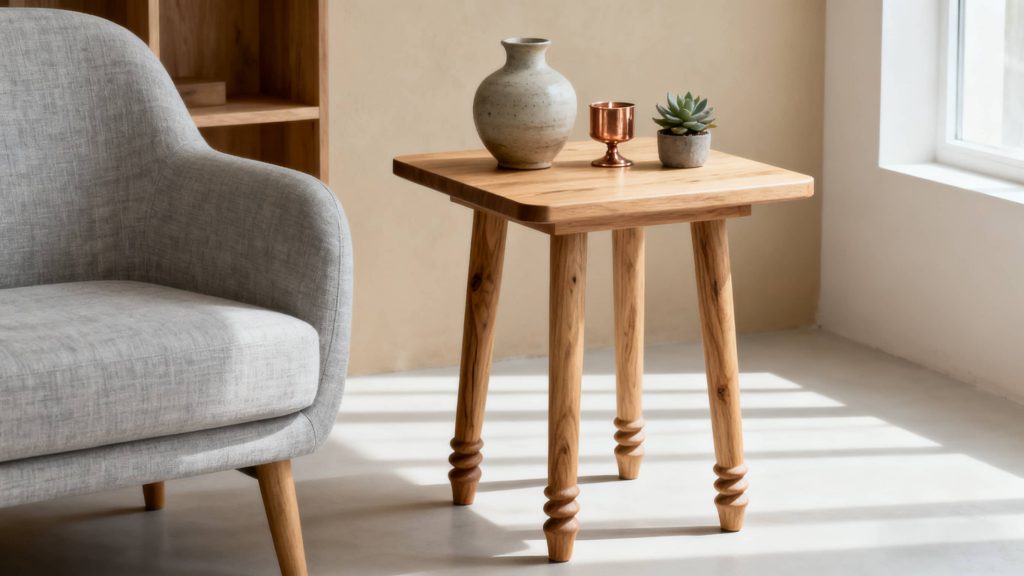
The impact that wooden furniture legs have on aesthetics is profound. They can serve as focal points or subtle accents in your design scheme. Imagine walking into a room where every piece has been thoughtfully curated-like an art gallery for furniture!
- Aesthetic Flexibility: From sleek tapered designs to rustic square options, wooden legs offer endless possibilities that cater to various styles-from contemporary to industrial chic. Think hairpin legs paired with reclaimed wood tops for that perfect vintage vibe!
- Sustainable Choices: By opting for reclaimed or sustainably sourced wood, manufacturers not only enhance their brand image but also contribute positively to the environment. This is increasingly important as consumers become more eco-conscious-it’s like giving Mother Nature a high five!
- Cultural Resonance: Different types of woods carry cultural significance; using local materials can connect consumers to their heritage while supporting local economies.
The global trend towards sustainable design is projected to continue growing at an annual rate of 6% through 2025. Emphasizing the use of wooden materials in furniture design aligns perfectly with this movement!
The significance of incorporating wooden furniture legs in your designs cannot be overstated-it’s about creating spaces that resonate with nature while ensuring quality and sustainability. So next time you’re sourcing those crucial components, remember: it’s not just about support; it’s about style and responsibility too!
Integrating Natural Elements with Wooden Furniture Legs
Design strategies for incorporating wooden legs
When it comes to furniture legs, wooden options are like the secret sauce that elevates your design from “meh” to “wow!” Here are some design strategies to make those wooden furniture legs shine:
- Contrast and Complement: Pairing wooden legs with contrasting materials can create visual interest. For example, imagine sleek metal table tops resting on rustic wooden legs-it’s a match made in design heaven!
- Color Coordination: Choose wood finishes that complement the overall color palette of your space. Light oak can brighten a room, while dark walnut adds a touch of sophistication.
- Shape Matters: The shape of your furniture legs can dramatically influence the vibe. Tapered legs give a modern feel, while square or round options evoke a more traditional look.
- Height Adjustments: Consider adjustable furniture legs for versatility in different settings. They allow you to switch between casual and formal dining experiences effortlessly.
The key is to think beyond functionality and embrace creativity-your furniture should tell a story, after all!
Complementing other natural materials in furniture design
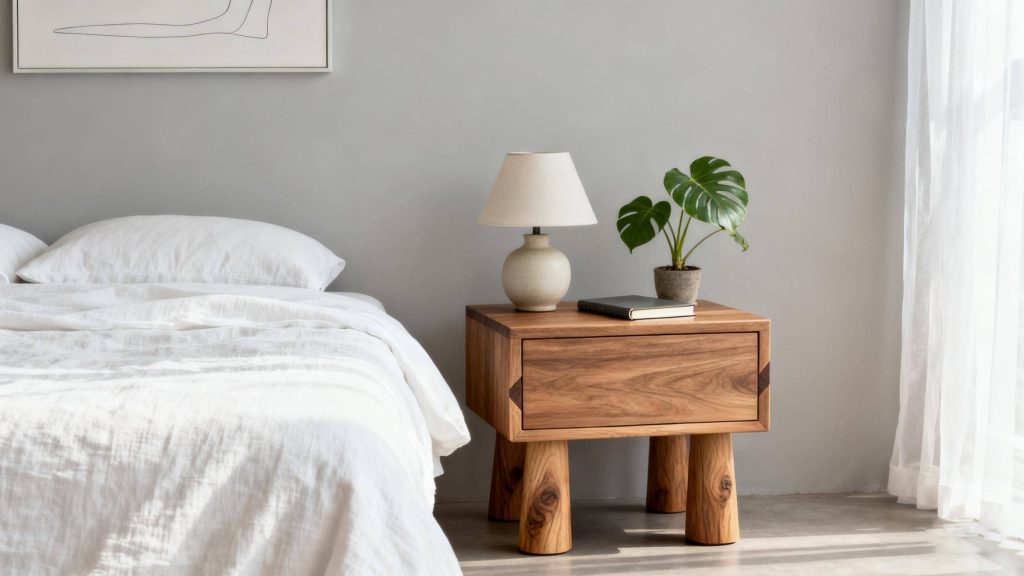
Your wooden furniture legs don’t have to stand alone! They can harmonize beautifully with other natural materials. Here’s how:
- Mixing Textures: Combine wooden legs with stone tabletops or woven fabrics to create depth and tactile variety. Think about how cozy a chunky knit throw looks draped over a sleek wood chair!
- Sustainable Synergy: Use reclaimed wood for both the legs and tabletops, creating a unified look that screams sustainability. It’s like wearing matching outfits-only cooler!
- Nature-Inspired Accents: Incorporate elements like rattan or jute alongside your furniture legs. This not only enhances the biophilic aspect but also adds an earthy vibe.
The goal is to create an environment where every element feels connected, just like characters in your favorite ensemble cast movie!
Case studies of successful implementations
If you’re still skeptical about the power of wooden furniture legs, let’s take a peek at some real-world examples that nailed it:
- The Urban Jungle Café:This trendy café integrated reclaimed wood table legs with concrete tops and hanging greenery. The result? A space that feels both modern and inviting-perfect for sipping lattes while scrolling through Instagram.
- The Rustic Retreat Store:This furniture store features custom furniture pieces where each item boasts unique wooden leg designs paired with natural stone surfaces. Customers rave about how these pieces blend seamlessly into their homes, making them feel connected to nature.
- The Eco-Conscious Office Space:This office utilized adjustable wooden desk legs along with bamboo accents throughout the workspace. Employees reported feeling more relaxed and productive-a win-win situation!
The success stories are endless! Each case illustrates how thoughtful integration of wooden furniture legs, alongside other natural elements, can transform spaces into something truly special.
A survey conducted by top interior designers indicated that 78% believe incorporating natural elements into office spaces significantly boosts employee morale and productivity.wooden furniture legs, whether they are custom designs or standard replacements, is essential in crafting environments that resonate with nature’s beauty. So why not take inspiration from these successful examples? Your next project could be the talk of the town!
Technical Considerations for Furniture Manufacturers
Engineering aspects of wooden furniture legs
When diving into the realm of furniture legs, particularly wooden ones, engineering plays a pivotal role. Think of it as the backbone of your furniture design-without solid support, even the most beautiful pieces can crumble under pressure (literally!). Here are some key engineering aspects to consider:
- Load-Bearing Capacity: Ensure that your wooden furniture legs can handle the weight they’ll support. For instance, heavy-duty furniture legs are essential for robust dining tables or sofas.
- Joint Construction: The way legs are attached to the furniture frame matters immensely. Techniques like mortise and tenon joints provide superior strength compared to mere screws or nails.
- Stability and Leveling: Incorporating leveling feet for tables and chairs can prevent wobbly situations. It’s like giving your furniture a solid foundation-no one wants a coffee table that rocks like a boat!
The engineering behind wooden furniture legs not only ensures durability but also enhances user experience. After all, no one enjoys a sofa that feels like it might collapse during movie night!
Customization options for OEM solutions
Customization is where the magic happens! As manufacturers, you have the power to create custom furniture legs that cater specifically to your clients’ needs. Here’s how you can leverage customization:
- Size Variability: Offering adjustable furniture legs allows clients to tailor their pieces according to their space requirements. Think about it: a sofa with adjustable height fits both cozy apartments and spacious living rooms!
- Aesthetic Choices: Provide options in terms of finishes and styles-be it modern tapered designs or rustic square options. This variety helps clients align with current trends without sacrificing individuality.
- Material Selection: With choices ranging from wood to metal, manufacturers can appeal to diverse markets. For example, pairing brass furniture legs with wooden tops creates an elegant contrast that many modern consumers crave.
The beauty of customization lies in its ability to meet specific demands while also enhancing brand loyalty-your clients will appreciate having unique pieces that stand out!
Sustainability practices in sourcing and manufacturing wood components
Sustainability is not just a buzzword; it’s becoming a necessity in today’s market! When it comes to sourcing materials for wooden furniture legs, here are some sustainable practices manufacturers should adopt:
- Sourcing Responsibly: Choose suppliers who practice sustainable forestry methods. This not only supports environmental health but also resonates with eco-conscious consumers.
- Utilizing Reclaimed Wood: Incorporating reclaimed wood into your designs not only reduces waste but also adds character and history to each piece-a win-win for both aesthetics and sustainability!
- Circular Economy Models: Consider implementing take-back programs for old furniture. This approach promotes recycling while providing an opportunity for customers to upgrade their pieces sustainably.
A recent study found that 66% of consumers prefer brands that prioritize sustainability in their products, highlighting the growing demand for eco-friendly options in the market.
The future of wooden furniture legs, and indeed all furniture components, hinges on our commitment to sustainability. By adopting these practices, manufacturers can create products that not only look good but do good too!
Quality Assurance in Production Processes
Importance of ISO certification in manufacturing wooden legs
When it comes to producing furniture legs, especially wooden ones, ISO certification is like the gold star on your report card. It signifies that a manufacturer adheres to international standards for quality management, ensuring consistency and reliability across all products.
ISO certification not only boosts consumer confidence but also enhances operational efficiency. It’s a win-win! Manufacturers can streamline processes while minimizing waste and reducing errors. This is crucial for maintaining the integrity of wooden furniture legs, where precision in dimensions and material quality can make or break a product.
A study revealed that companies with ISO certification experience up to 30% improvement in operational efficiency, showcasing the tangible benefits of adhering to these standards.
Quality control measures for durability and performance
Quality control is the unsung hero of manufacturing. Think of it as the vigilant lifeguard at the pool-always on watch to ensure everything runs smoothly! Here are some essential quality control measures every manufacturer should implement for furniture legs:
- Material Inspection: Before production even begins, inspect raw materials. For wooden furniture legs, this means checking for knots, cracks, and moisture content that could affect durability.
- Dimensional Accuracy: Use precise measuring tools to ensure each leg meets specified dimensions. A millimeter off might not seem like much, but it can lead to wobbly tables or chairs!
- Load Testing: Simulate real-life scenarios by testing how much weight your furniture legs can bear. This ensures they won’t buckle under pressure when you host your next dinner party.
- Finish Quality Checks: After applying finishes like varnish or paint, inspect for consistency and smoothness. An uneven finish can detract from the overall appeal of your wooden furniture legs.
The goal is simple: deliver durable products that perform well over time. Remember, a happy customer returns-and they might bring friends!
Coding and finishing techniques (e.g., powder coating) for enhanced longevity
Coding and finishing techniques are where science meets art in furniture manufacturing! Properly applied finishes not only enhance aesthetics but also significantly extend the lifespan of wooden furniture legs. Here’s how:
- Powder Coating: This technique involves applying a dry powder that’s then cured under heat. The result? A tough finish that resists scratches, chipping, and fading-perfect for those heavy-duty dining table legs!
- E-coating: Often used in metal furniture legs but applicable to wood as well, e-coating provides an even layer that protects against corrosion and moisture damage.
- Sustainable Finishes: Explore eco-friendly options such as water-based paints or natural oils that are both safe for consumers and kind to the planet.
The right finishing technique can transform ordinary wooden legs into extraordinary pieces that stand up against time-and spills from those dinner parties we mentioned earlier!
A report found that properly finished wood components have a lifespan increase of up to 50%, emphasizing the importance of investing in quality finishes.
The bottom line? Quality assurance in production processes is non-negotiable when it comes to crafting reliable furniture legs. By implementing rigorous quality control measures and utilizing advanced finishing techniques, manufacturers can ensure their products not only meet expectations but exceed them!
The Future of Biophilic Design in Furniture Manufacturing
Emerging trends in biophilic design and furniture legs
As we look towards the future, the integration of furniture legs into biophilic design is evolving faster than you can say “nature-inspired.” Here are some emerging trends that are reshaping the landscape:
- Natural Aesthetics: Expect to see more emphasis on wooden furniture legs that mimic organic shapes and textures. Think of designs that resemble tree branches or roots, bringing a piece of nature right into your living room.
- Sustainable Materials: The push for eco-friendly options is stronger than ever. Manufacturers are increasingly opting for reclaimed wood and sustainable sources, aligning with consumer values. This trend not only enhances aesthetics but also appeals to the environmentally conscious buyer.
- Customization: With consumers wanting unique pieces, customizable furniture legs will become a staple. From height adjustments to personalized finishes, the ability to tailor designs will be key in capturing market interest.
- Biophilic Technology: Innovations like smart furniture that incorporates natural elements-such as adjustable lighting mimicking sunlight-will complement traditional wooden legs, creating harmonious spaces that feel alive.
The future is all about creating environments that resonate with nature while also meeting modern needs. As manufacturers, embracing these trends can set you apart in a competitive market!
The role of technology in enhancing natural elements in furniture design
Technology is not just for gadgets; it’s revolutionizing how we think about furniture legs. Here’s how tech is enhancing natural elements:
- Smart Materials: Imagine adjustable furniture legs equipped with sensors that adapt to environmental changes-like adjusting height based on room temperature. This innovation could redefine comfort and usability.
- Sustainable Manufacturing Techniques: Advances in manufacturing processes allow for precision cutting and shaping of wood, minimizing waste while maximizing aesthetic appeal. Techniques like CNC machining ensure every leg fits perfectly without compromising on style.
- Augmented Reality (AR): AR tools enable consumers to visualize how different styles of furniture legs, from tapered to decorative options, will look in their spaces before making a purchase. This technology can significantly enhance customer satisfaction and reduce returns!
The marriage of technology and biophilic design opens up exciting possibilities for manufacturers looking to innovate while staying true to natural aesthetics.
Potential market opportunities for manufacturers focusing on biophilic principles
The demand for biophilic design principles in furniture manufacturing presents numerous opportunities for growth. Here’s what you should keep an eye on:
- Niche Markets: Targeting specific demographics-like millennials who prioritize sustainability-can lead to tailored product lines featuring eco-friendly wooden furniture legs.
- E-commerce Expansion: Online platforms are booming! Offering customizable options online allows consumers to engage with your brand directly from their homes, making it easier than ever to find those perfect sofa or table legs.
- Crossover Designs: Collaborating with interior designers who specialize in biophilic concepts can help create exclusive collections that highlight your unique offerings while tapping into established markets.
- Sustainability Certifications: Obtaining certifications related to environmental sustainability can boost credibility and attract eco-conscious consumers who prioritize brands aligned with their values.
A recent report indicated that 70% of consumers are willing to pay more for sustainable products, highlighting a significant opportunity for manufacturers embracing biophilic principles.
The future of furniture legs, particularly those crafted from wood or designed with nature in mind, is bright! By harnessing emerging trends, technological advancements, and market opportunities, manufacturers can position themselves at the forefront of this thriving industry. So let’s get creative-your next big idea could redefine what it means to bring nature indoors!
Conclusion and Call to Action for Industry Professionals
As we wrap up our exploration of biophilic design and its harmonious relationship with wooden furniture legs, it’s clear that the future of furniture manufacturing is not just about function-it’s about creating a connection with nature. By integrating natural elements into your designs, you’re not only enhancing aesthetic appeal but also meeting the growing demand for sustainable products.
So, what’s the next step for you as an industry professional? Here are some actionable takeaways:
- Evaluate Your Offerings: Take a moment to assess your current range of furniture legs. Are you offering enough variety in styles and materials? Consider incorporating more wooden options, from tapered furniture legs to heavy-duty replacements.
- Embrace Customization: In today’s market, customization is king! Whether it’s adjustable heights or unique finishes, give your clients the flexibility they crave. Tailor your offerings to meet specific needs-think personalized dining table legs or bespoke sofa legs.
- Sustainability Matters: Prioritize eco-friendly practices in sourcing and manufacturing. Consumers are increasingly drawn to brands that demonstrate environmental responsibility. Explore options like reclaimed wood or sustainable materials for your furniture legs.
- Stay Informed on Trends: Keep an eye on emerging trends in biophilic design and technology integration. From smart furniture features to innovative materials, staying ahead of the curve can set you apart from competitors.
- Engage with Designers: Collaborate with interior designers who are passionate about biophilic concepts. This partnership can lead to unique projects that elevate both your brand and their designs.
The demand for sustainable furniture options is projected to grow by 6% annually through 2025. By aligning your product offerings with this trend, you’re not just keeping pace; you’re leading the way!
The time is now! As you rethink your designs and strategies, remember: every piece of furniture tells a story-let yours be one that resonates with nature and sustainability. Together, we can create spaces that inspire well-being while also showcasing the beauty of wooden elements.