
Introduction
Welcome to the world of Understanding Wood Moisture Content: Why It Matters for Furniture Longevity. If you’ve ever wondered why your beloved wooden furniture seems to warp, crack, or just generally misbehave, you’re not alone. The secret lies in something that’s often overlooked: moisture content. Think of it as the Goldilocks principle for wood – too much moisture and your furniture swells like a sponge; too little, and it shrinks away like a forgotten snack.
Overview of Wood Moisture Content
Wood moisture content refers to the amount of water contained in the wood compared to its dry weight. This percentage can fluctuate based on environmental conditions, such as humidity and temperature. In fact, wood is dimensionally stable when its moisture content is in equilibrium with the surrounding environment source. Understanding this balance is crucial for anyone involved in furniture design or manufacturing.
Importance for Furniture Longevity
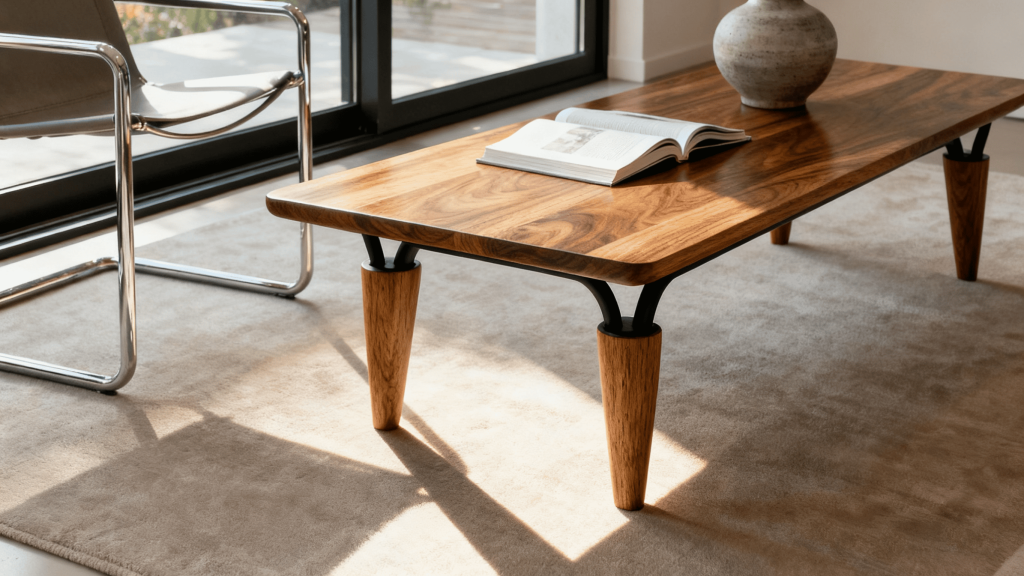
Why does this matter? Well, maintaining optimal wood moisture levels is essential for furniture longevity. High moisture can lead to swelling and warping, while low moisture might cause cracking and splitting. Imagine your favorite dining table suddenly resembling a jigsaw puzzle – not ideal for family dinners!
Controlling indoor humidity is key. Too much humidity can lead to mold growth and decay risks, while low humidity can dry out your wooden treasures faster than you can say “antique.” This balance not only affects aesthetics but also impacts durability and overall quality.
Key Takeaway: Regular monitoring of moisture content helps prevent costly repairs and extends the life of your furniture.
Target Audience and Relevance
This topic isn’t just for woodworking enthusiasts; it’s vital knowledge for furniture manufacturers, brand owners, product designers, and procurement managers. If you’re involved in creating or sourcing wooden products, understanding wood moisture content will empower you to make informed decisions that enhance both quality and durability.
So whether you’re crafting a bespoke piece or selecting materials for mass production, remember: keeping an eye on wood moisture content is one of the smartest moves you can make. After all, no one wants their beautiful creations turning into warped shadows of their former selves!
Understanding Wood Moisture Content
Definition of Moisture Content
So, what exactly is wood moisture content? Simply put, it’s the percentage of water present in the wood relative to its dry weight. Think of it as the wood’s hydration level. Just like us, wood needs a balanced diet of moisture to thrive. Too much moisture can lead to swelling and warping, while too little can cause cracking and splitting. It’s all about finding that sweet spot!
How Moisture Content is Measured
Measuring wood moisture content isn’t as complicated as it sounds! The most common method involves using a wood moisture meter. This handy tool uses electrical resistance or capacitance to determine how much water is lurking in those fibers. Here’s a quick rundown:
- Pin-type meters: These have two pins that you insert into the wood. The meter measures resistance between them-more water means less resistance.
- Pinless meters: These use electromagnetic waves to assess moisture levels without damaging your precious furniture.
- Calibration: Always ensure your meter is calibrated for the specific type of wood you’re measuring for accurate results.
Regular checks can help you stay ahead of any potential moisture-related issues.
Factors Affecting Wood Moisture Content
A variety of factors influence wood moisture content, making it a bit like a soap opera with lots of twists and turns. Here are some key players:
- Humidity: The surrounding humidity levels play a massive role in how much moisture wood absorbs or releases. High humidity can lead to excessive moisture; low humidity can dry it out.
- Temperature: Warmer temperatures generally increase evaporation rates, leading to lower moisture content.
- Wood Species: Different woods have varying capacities for holding moisture due to their density and cell structure.
- Seasonal Changes: As seasons change, so do humidity levels and temperatures, affecting how your wooden furniture behaves throughout the year.
- Storage Conditions: Keeping your furniture in an area with controlled humidity can significantly reduce the risk of damage from fluctuating moisture levels.
The Bottom Line: Understanding these factors helps you maintain optimal wood quality and prevents costly repairs down the line!
The Role of Moisture in Wood Properties
Impact on Strength and Durability
Moisture content plays a crucial role in the strength and durability of wood. Think of moisture as the wood’s personal trainer: too much can lead to swelling, making it weaker, while too little can dry it out, leading to cracks that compromise its integrity. It’s like a balancing act where both extremes can cause serious issues.
Wood with optimal moisture levels tends to be more resilient against everyday wear and tear. Conversely, when moisture levels fluctuate outside the equilibrium moisture content in wood, you might witness:
- Reduced load-bearing capacity: Warped or cracked wood can’t support as much weight.
- Increased susceptibility to pests: Wood that is either too wet or too dry becomes a buffet for insects.
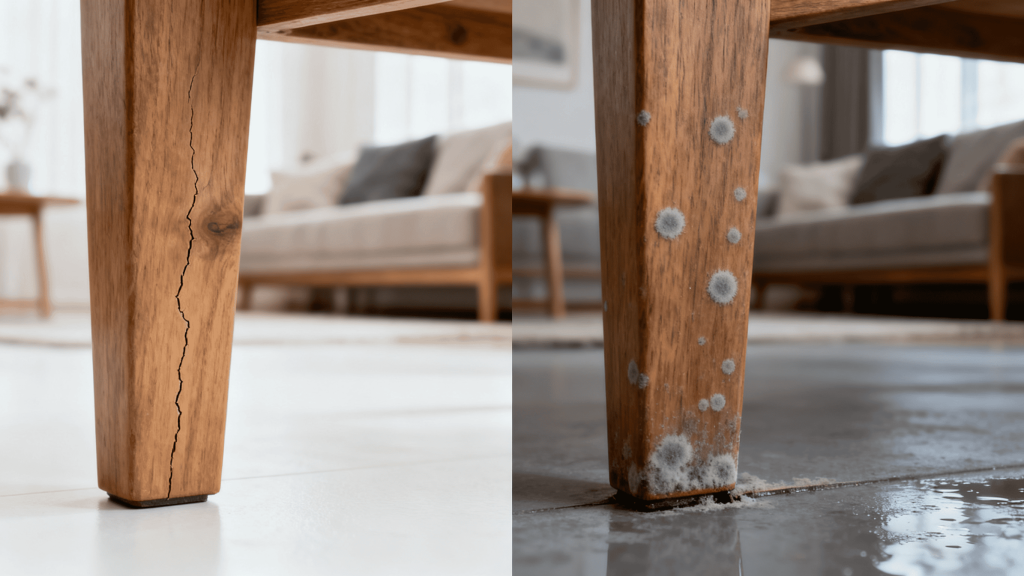
- Higher risk of decay: Moist environments promote mold growth, which can weaken the structure.
Effects on Dimensional Stability
The effects of moisture on wood also extend to its dimensional stability. Just like a sponge expands when wet and shrinks when dry, wood behaves similarly. This leads us to the phenomenon known as wood swelling and shrinking. Here’s how it impacts your furniture:
- Squeaky joints: As wood expands, it can push against joints, causing them to squeak or even break over time.
- Misalignment: Doors and drawers may not close properly if the frame swells or shrinks unevenly.
- Aesthetic changes: Cracks and gaps can appear in finishes, ruining that flawless look you aimed for.
Avoiding these issues involves careful monitoring and maintaining humidity levels around your furniture. Remember, controlling indoor humidity for furniture is key!
Influence on Aesthetics and Finish Quality
The aesthetic appeal of wooden furniture is often tied closely to its moisture content. Imagine painting a canvas only for it to warp before your eyes – not ideal! Here’s how moisture impacts aesthetics:
- Finish adhesion: High moisture levels can prevent finishes from adhering properly, leading to peeling or bubbling.
- Color changes: Wood absorbs stains differently based on its moisture level, potentially resulting in uneven coloring.
- Smoothness of surface: Fluctuating moisture can cause rough patches due to swelling and shrinking – not exactly what you want in high-quality furniture!
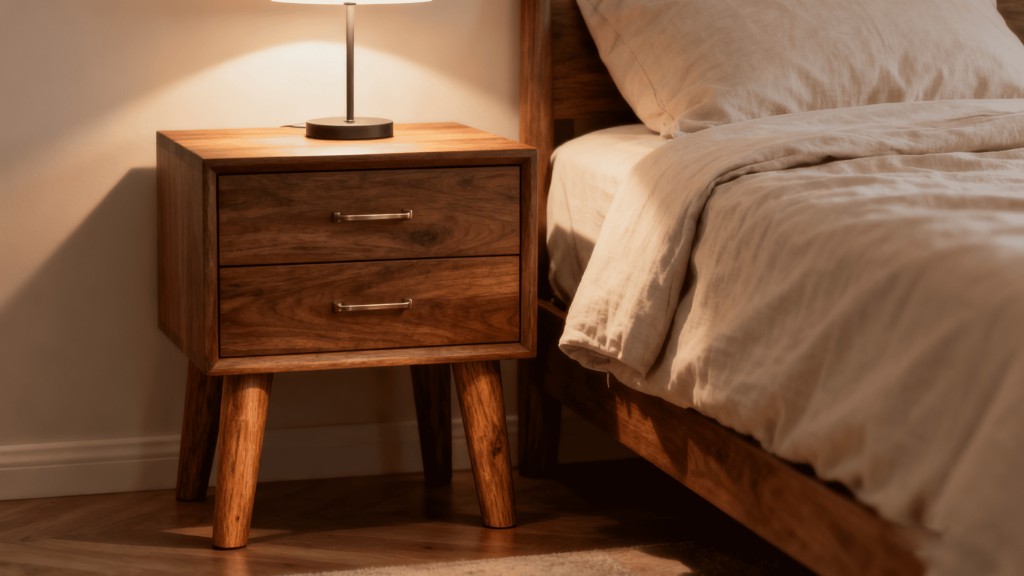
This means that proper wood preservation techniques, including understanding how to check moisture content in wood at home, are essential for maintaining that showroom shine.
Your Takeaway: Managing moisture levels is not just about longevity; it’s also about preserving beauty! Regular checks will keep your wooden treasures looking their best.
Consequences of Improper Moisture Levels
Shrinkage and Warping Issues
Let’s face it, nobody wants their furniture to resemble a funhouse mirror. When moisture levels are off, wood can swell like a sponge or shrink like your favorite sweater after an accidental tumble in the dryer. This wood swelling and shrinking is not just a cosmetic issue; it can lead to significant structural problems.
Consider this: when wood absorbs too much moisture, it expands. This expansion can cause:
- Cracking: As the wood swells, it may crack under pressure, leading to unsightly blemishes on your once-pristine surfaces.
- Warping: Pieces may bend or twist, making drawers stick and doors misalign. Imagine trying to open a cabinet that feels more like a wrestling match!
- Joint Stress: Excessive moisture can stress joints and connections, leading to premature failure.
The solution? Regularly check moisture content using a wood moisture meter. Keeping your wood within optimal moisture levels is key to preventing these headaches.
Mold and Decay Risks
If you’ve ever had the unfortunate experience of finding mold on your wooden furniture, you know it’s not just unsightly; it’s downright scary! High humidity levels create the perfect breeding ground for mold and decay. Mold doesn’t just ruin aesthetics; it compromises furniture longevity.
The risks associated with mold growth include:
- Health Hazards: Mold spores can cause respiratory issues and allergic reactions, turning your beloved living room into an unwelcoming environment.
- Structural Damage: Mold feeds on wood fibers, weakening the structure over time. Think of it as the silent saboteur of your furniture.
- Pest Attraction: High moisture environments attract pests like termites and beetles looking for a snack – your furniture!
A proactive approach involves controlling indoor humidity for furniture. Aim for that sweet spot of around 30-50% relative humidity to keep mold at bay.
Impact on Joinery and Assembly Integrity
The integrity of joinery in wooden furniture is paramount. Improper moisture levels can wreak havoc on joints and assembly methods. Picture this: you’ve crafted an exquisite piece only for it to fall apart at the seams because of fluctuating moisture levels!
The potential impacts include:
- Diminished Strength: Joints made with glue or dowels may weaken if subjected to excessive moisture or dryness, leading to failures during use.
- Squeaky Hinges: As wood expands or contracts unevenly, hinges may squeak or bind, ruining that smooth operation you aimed for.
- Aesthetic Discrepancies: Gaps may form between joints as wood shifts with changing moisture content, compromising the overall look.
Your Action Item: To maintain joinery integrity, ensure proper drying techniques during the wood drying process. Whether you choose air-drying or kiln-drying wood, understanding these methods will help preserve both strength and beauty in your creations!
Best Practices for Managing Wood Moisture Content
Selecting the Right Wood Species for Applications
Choosing the right wood species is like picking your dream team – you want players who complement each other and perform well under pressure! Different woods have unique moisture absorption characteristics, so understanding these can save you from a moisture-related meltdown down the line. Here are a few tips:
- Hardwoods vs. Softwoods: Hardwoods like oak and maple generally have lower moisture content than softwoods like pine. If you’re looking for durability, hardwoods might be your best bet.
- Local Species: Using locally sourced wood can often mean better adaptation to your climate, reducing the risk of moisture issues.
- Wood Treatments: Consider species that undergo treatment for moisture resistance. This can significantly enhance furniture longevity.
Selecting wisely will not only enhance aesthetics but also improve durability!
Proper Drying Techniques and Methods
The wood drying process is critical in achieving optimal moisture content. Whether you choose air-drying or kiln-drying wood, understanding these methods will help maintain quality:
- Air-Drying: This method is cost-effective but requires patience. Stack wood in a well-ventilated area to allow natural evaporation. Aim for a humidity level of around 30-50% during this process.
- Kiln-Drying: A more controlled approach that accelerates drying while minimizing defects. It’s like giving your wood a spa day – it comes out rejuvenated and ready to shine!
- Dried vs. Green Wood: Always check if the wood is properly seasoned before use. Green wood (freshly cut) has high moisture content and can lead to warping and cracking.
Your Action Item: Regularly check moisture levels with a wood moisture meter. This ensures your materials are ready for production without surprises!
Monitoring Environmental Conditions During Storage and Production
The environment where you store or work with wood can dramatically impact its moisture levels. Think of it as creating the perfect habitat for your wooden friends! Here’s how to keep conditions just right:
- Humidity Control: Invest in dehumidifiers or humidifiers to maintain an ideal range between 30-50% relative humidity.
- Avoid Direct Sunlight: Store wood away from direct sunlight to prevent rapid drying, which can cause cracks.
- Temperature Regulation: Keep temperatures stable; extreme fluctuations can lead to significant changes in moisture content.
- Avoid Ground Contact: Elevate stored wood off the ground to reduce exposure to dampness from soil.
The effects of high humidity on wood include increased swelling and warping, while low humidity can cause cracking and splitting.
The Bottom Line: Monitoring environmental conditions is essential for maintaining wood quality throughout its lifecycle. A little vigilance goes a long way in preserving furniture durability!
The Importance of Testing and Quality Control
Regular Moisture Testing Protocols
When it comes to understanding wood moisture content: why it matters for furniture longevity, regular testing is your best friend. Think of it as a routine check-up for your wooden treasures. Here’s how to make moisture testing part of your standard operating procedure:
- Establish a Schedule: Create a timeline for testing moisture content at different stages-before, during, and after the manufacturing process. This ensures that you catch any potential issues before they escalate.
- Use Reliable Tools: Invest in high-quality wood moisture meters. Opt for pinless meters for non-destructive testing, or pin-type meters if you need deeper penetration.
- Document Results: Keep a log of your findings to identify trends over time. If you notice an uptick in moisture levels, it might be time to adjust your drying processes or storage conditions.
- Train Your Team: Ensure that everyone involved in the production process understands the importance of moisture testing and knows how to use the equipment effectively.
By integrating these protocols into your workflow, you’ll not only prevent costly repairs but also enhance overall furniture durability.
Integrating Moisture Control into the Manufacturing Process
If you think moisture control is just a post-production concern, think again! It should be woven into every step of the manufacturing process like a finely crafted tapestry. Here’s how:
- Select Appropriate Drying Methods: Choose between air-drying vs kiln-drying wood, depending on your production needs. Kiln-drying may offer faster results with less risk of defects.
- Create Controlled Environments: Set up dedicated areas with controlled humidity and temperature levels during both storage and production phases. This will help maintain optimal wood moisture levels.
- Incorporate Quality Checks: Build in checkpoints where moisture content is measured before assembly. This ensures that all components fit together perfectly without warping or cracking.
- Educate Your Suppliers: Share best practices with suppliers to ensure they understand the importance of maintaining low moisture content throughout their processes as well.
Your Key Insight: Effective moisture control is not just about preventing damage; it’s about enhancing quality from start to finish!
The bottom line? By prioritizing testing and quality control in relation to wood moisture content, you’re not just safeguarding your products; you’re investing in their future. And who wouldn’t want furniture that lasts longer than their favorite binge-worthy series?
Conclusion: Ensuring Furniture Longevity through Moisture Management
In the grand tapestry of furniture design and manufacturing, understanding wood moisture content: why it matters for furniture longevity is a thread that cannot be ignored. It’s not just about crafting beautiful pieces; it’s about ensuring they stand the test of time.
As we’ve explored, moisture content plays a pivotal role in affecting every aspect of wood-from its strength and durability to its aesthetic appeal. By managing moisture levels effectively, you can prevent issues like warping, cracking, and mold growth that threaten your wooden creations. After all, no one wants their exquisite furniture looking like it survived a monsoon!
Your Action Plan: Implement these strategies for effective moisture management:
- Regular Monitoring: Use wood moisture meters to keep tabs on moisture levels throughout the production process.
- Control Environment: Maintain optimal humidity levels (30-50%) in storage and during production to protect against seasonal changes in wood moisture.
- Choose Wisely: Select appropriate wood species and drying methods (air-drying vs kiln-drying) based on your needs for durability and aesthetics.
- Educate Your Team: Ensure everyone involved understands the importance of moisture management for maintaining wood quality.
The benefits of proper wood preservation techniques, including monitoring and controlling humidity, extend beyond just preventing damage; they enhance the overall quality of your products. Remember, a well-preserved piece of furniture is not only a joy to behold but also an investment that pays dividends in durability.
If you want your wooden masterpieces to remain as stunning as they were on day one, it’s time to take action. Embrace moisture management as an integral part of your workflow. By doing so, you’ll not only improve furniture longevity, but also solidify your reputation as a trusted partner in the industry. Here’s to crafting furniture that lasts-and looks fabulous while doing it!
Call to Action: Collaborating for Quality Solutions
Now that we’ve dived deep into Understanding Wood Moisture Content: Why It Matters for Furniture Longevity, it’s time to put that knowledge into action! The journey from raw wood to stunning furniture is a collaborative effort, and ensuring quality solutions starts with teamwork. Whether you’re a furniture manufacturer, brand owner, or procurement manager, there’s a vital role you play in this process.
Building Partnerships for Success
Think of your relationships with suppliers and manufacturers as the foundation of your furniture-making empire. Just like a well-crafted piece of furniture needs strong joints, your business needs strong partnerships. Here’s how to foster those connections:
- Open Communication: Share insights about moisture management practices with your partners. A little transparency goes a long way!
- Joint Training Sessions: Host workshops where teams can learn about the importance of moisture content together. This builds a culture of quality and care.
- Feedback Loops: Create channels for feedback on moisture-related issues encountered during production so everyone can adapt and improve.
Innovative Solutions Through Collaboration
The furniture industry is evolving faster than you can say “kiln-drying.” To keep up, consider these collaborative strategies:
- Invest in Technology: Work together to adopt advanced moisture measurement technologies. Using state-of-the-art wood moisture meters can streamline processes and improve accuracy.
- Sustainable Practices: Collaborate on eco-friendly wood preservation techniques that not only enhance durability but also appeal to environmentally conscious consumers.
- Research and Development: Partner with universities or research institutions to explore new materials or methods that optimize moisture control.
The Importance of Quality Control Standards
A robust quality control system is essential in ensuring that every piece of furniture meets high standards. Here’s how collaboration plays a key role:
- Create Shared Standards: Develop industry-wide standards for moisture content that all partners adhere to. This ensures consistency across products.
- Audit Together: Conduct joint audits of production facilities focused on moisture management practices. This helps identify areas for improvement collectively.
- Create Resource Libraries: Share best practices, case studies, and resources among partners so everyone has access to the latest information on managing wood quality.
Your Next Steps:
- Reach out: Connect with your suppliers today to discuss how you can implement better moisture management practices together.
- Educate yourself and your team: Stay informed about new technologies and techniques in wood preservation that benefit everyone involved in the process.
- Collaborate on solutions: Work together towards common goals that enhance both product quality and customer satisfaction!
The road to exceptional furniture longevity is paved with collaboration. By working together toward common goals-like maintaining optimal wood moisture levels-you’ll not only preserve the beauty of your creations but also elevate the entire industry standard. So let’s roll up our sleeves and get started!